
The illustrated monthly magazine Clubfirst came out in April 1923 under the name Prizyv (The Call). During its hundred-year history, the publication has had a few different names, including “Cultural Work of Trade Unions,” “Club,” and “The club and amateur performances.”
Table of Content
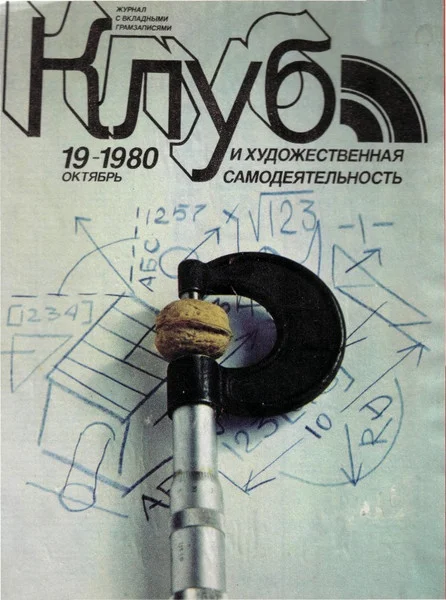
It was the only magazine, besides Krugozor, that had flexible covers. Even during the Brezhnev era, when things were pretty stagnant, the magazine’s covers in the 80s were standouts because of their cool graphics:
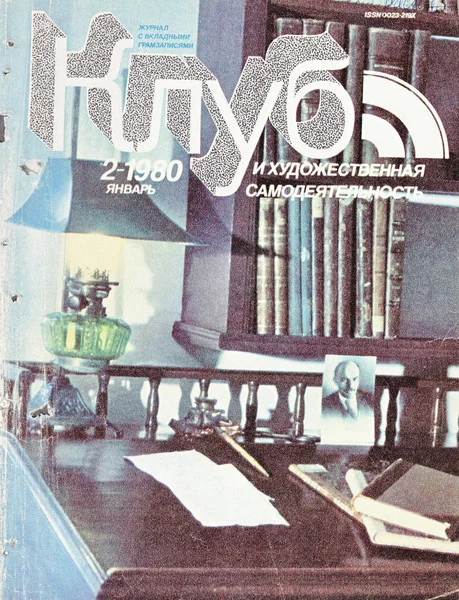
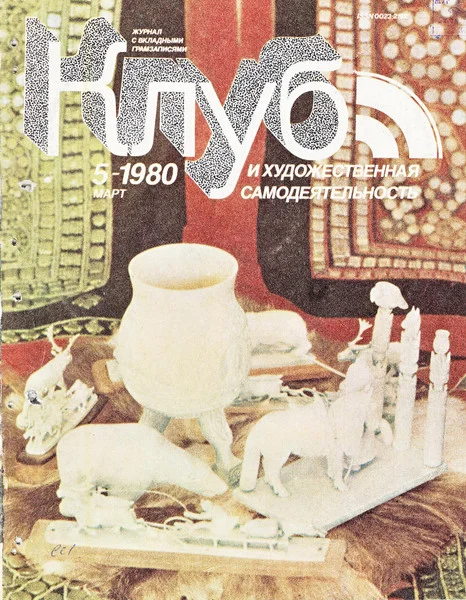
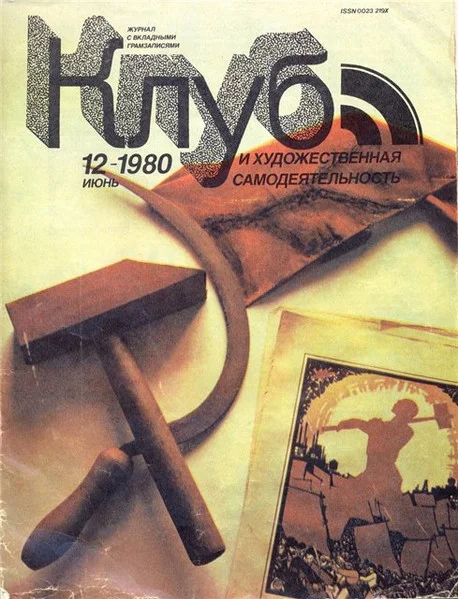
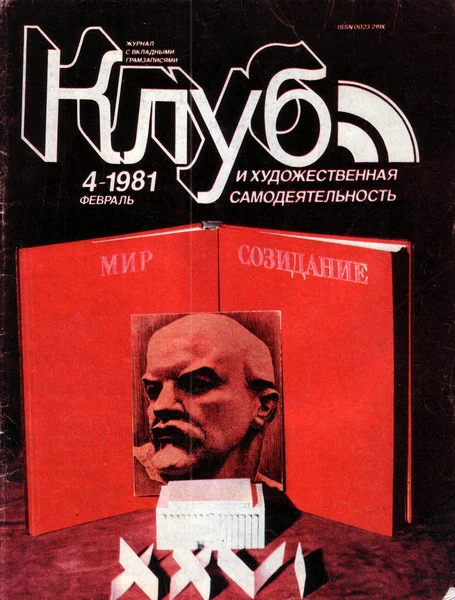
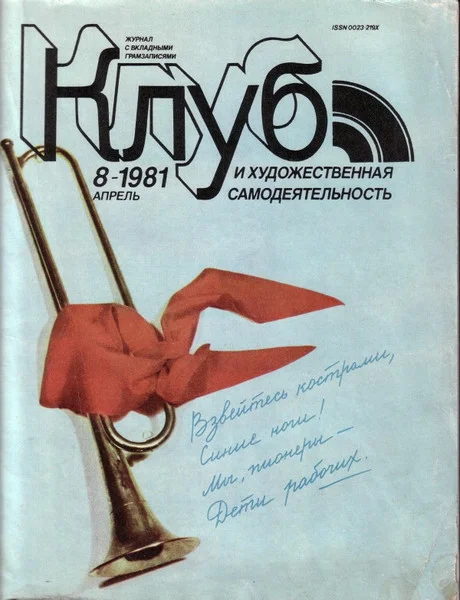
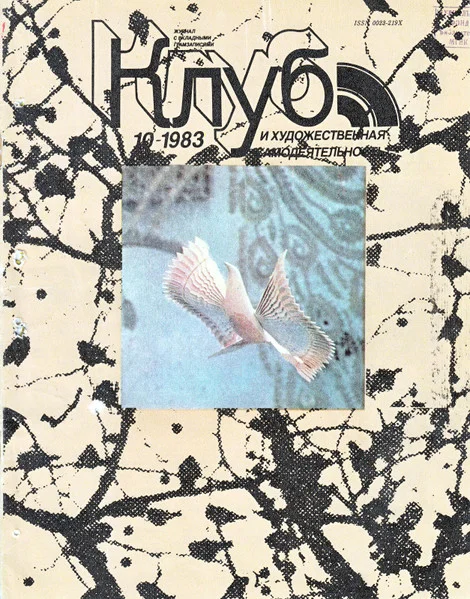
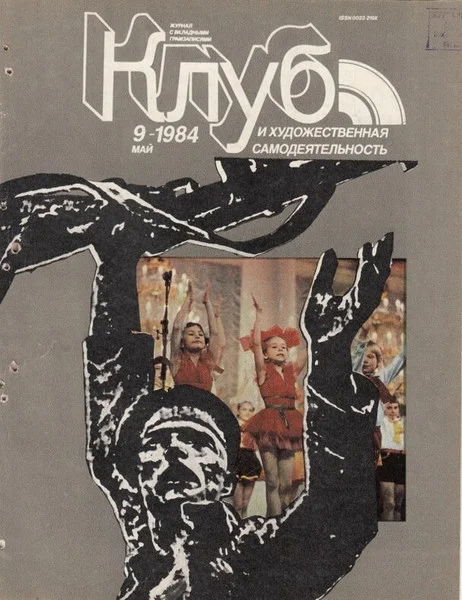
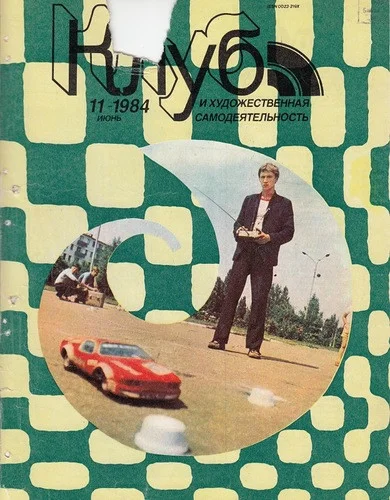
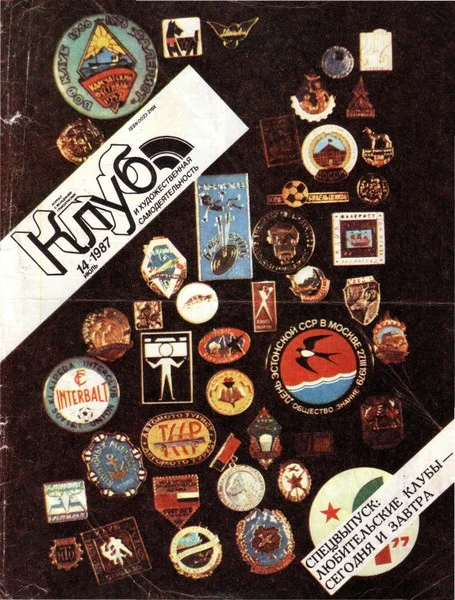
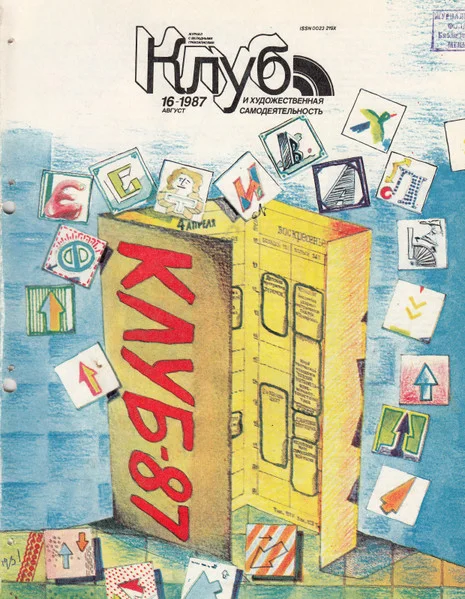
The magazine came out 24 times a year. Most of the magazine was typical Soviet propaganda, focusing on the creative work, sports, and traditional arts of people in USSR villages.
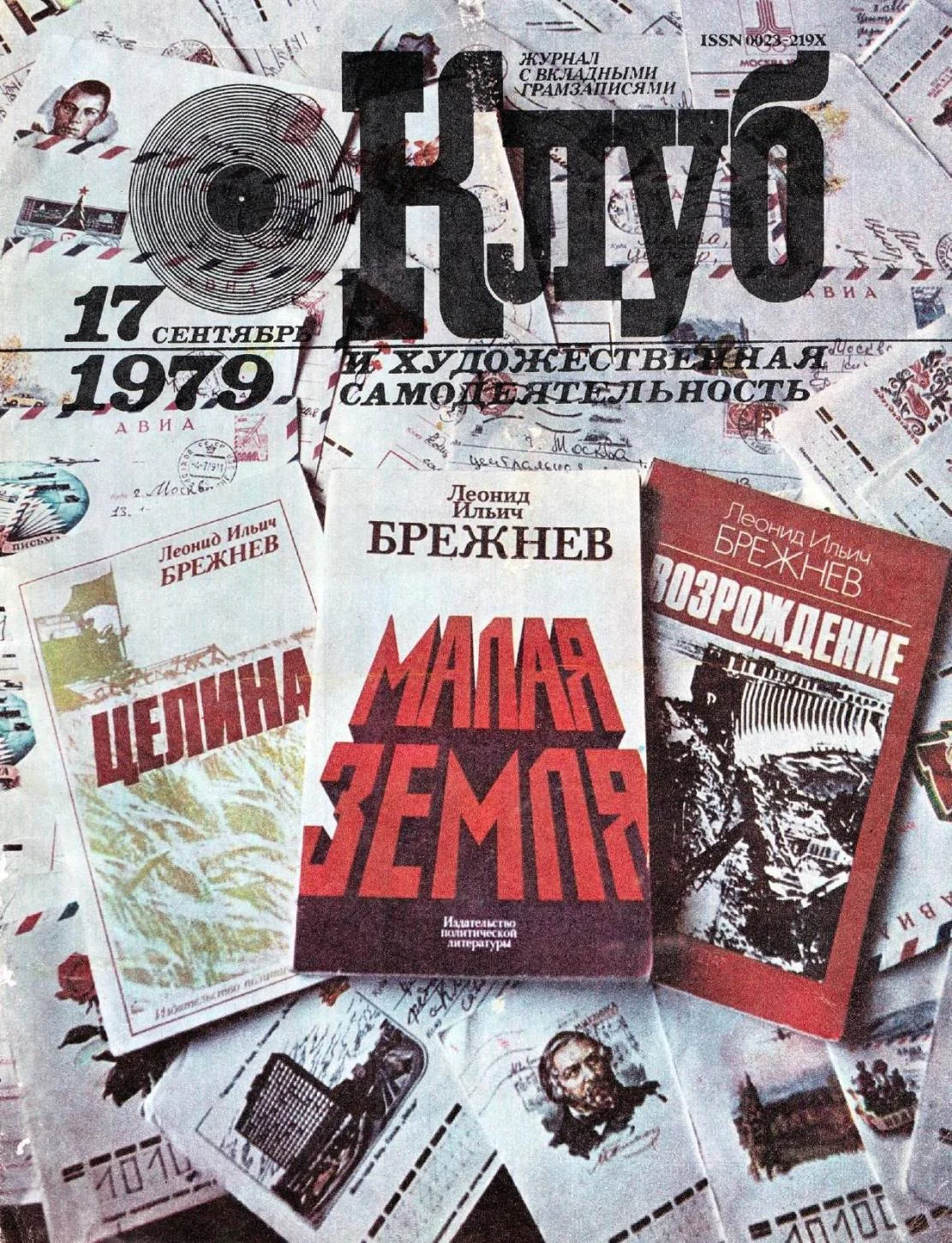
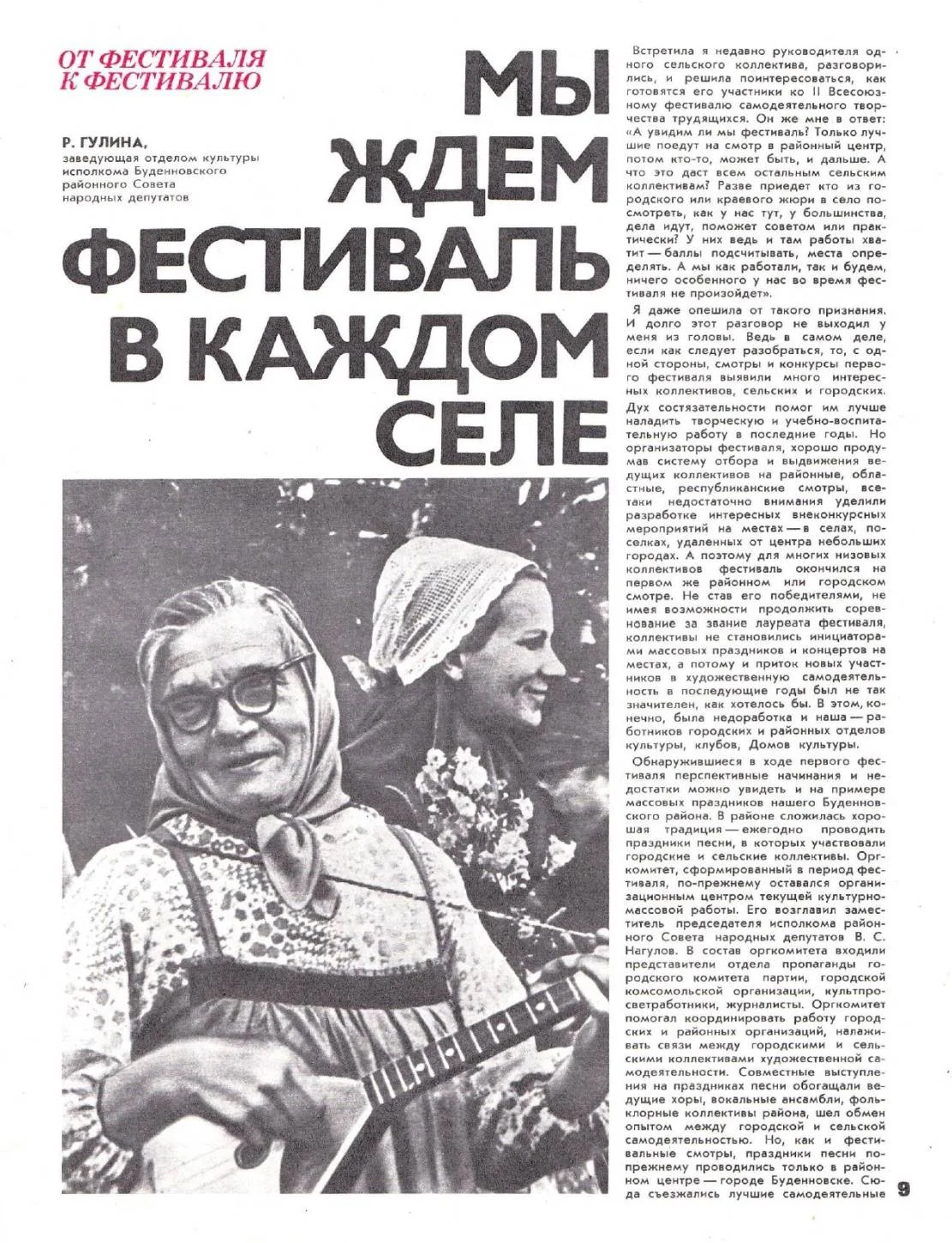
Progressive Rock in a Soviet Magazine
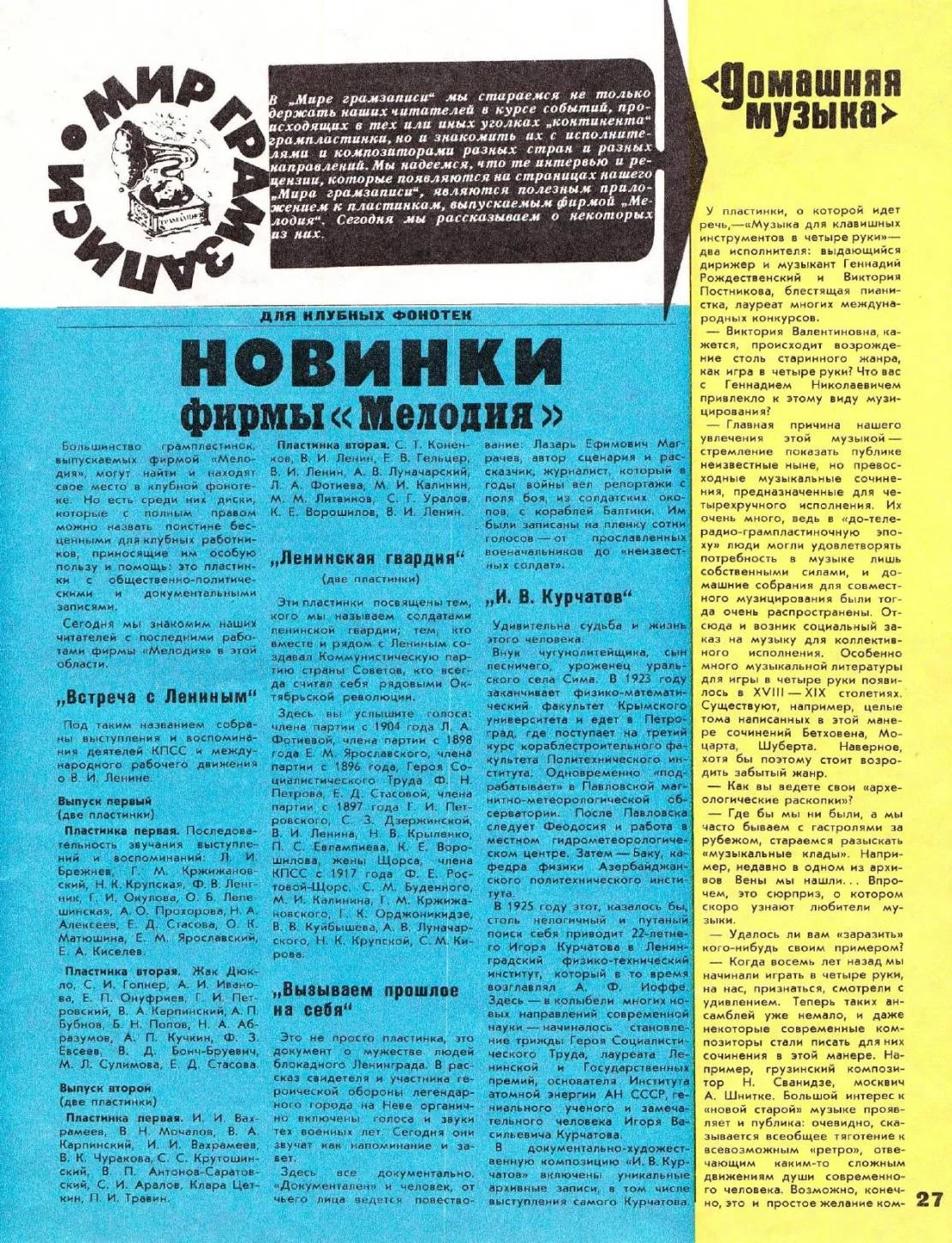
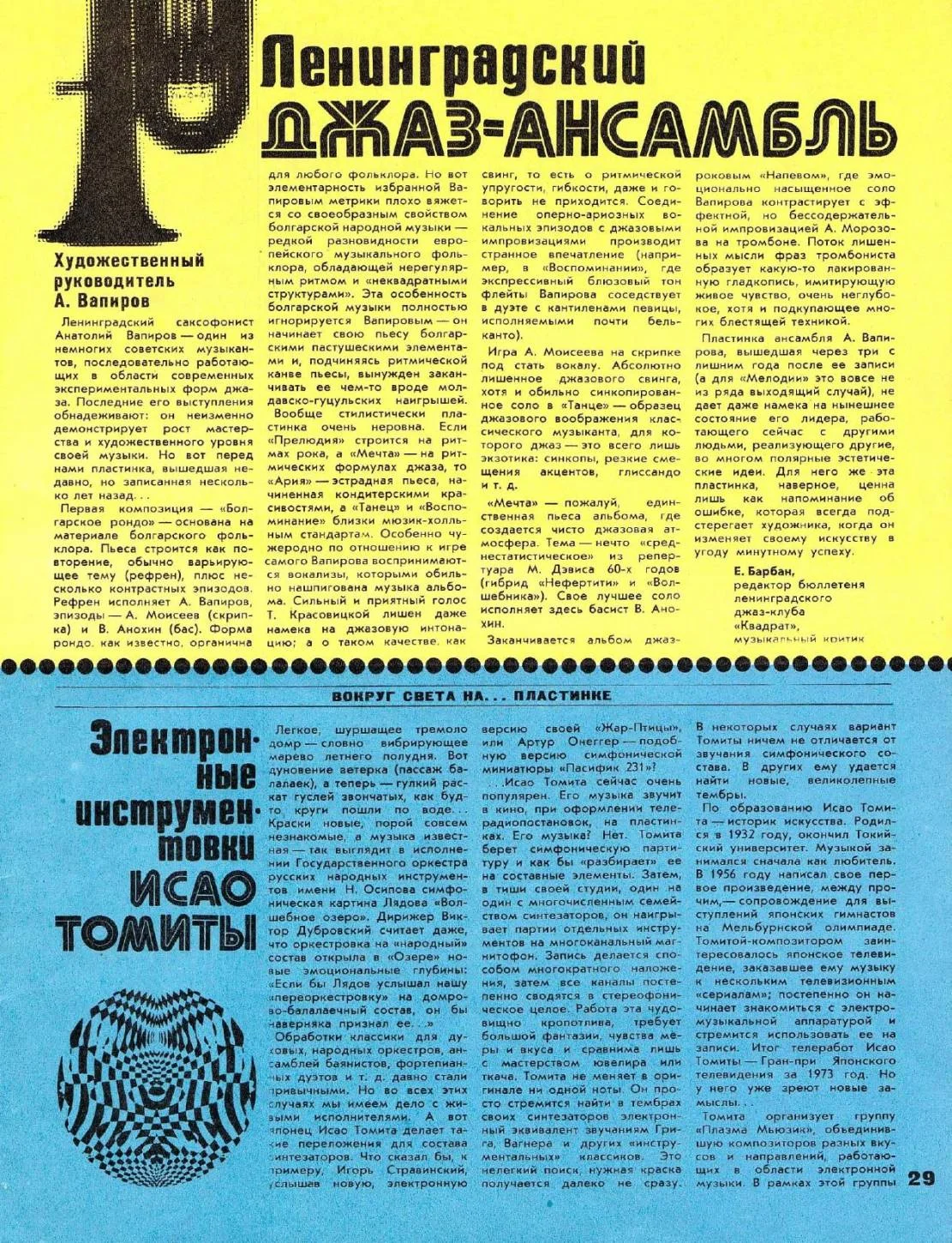
The magazine always had musical articles about technology and artists. For example, it featured Isao Tomita right next to the ads for “new” Lenin’s speeches:
1977: Pink Floyd
In 1977, there was a big article about Pink Floyd’s Quadrophonic Dark Side of the Moon by Artemy Troitsky:

1980: The Beatles Songs
It starts with issue no. From 1978 to 1988, each issue of 5 of 1978 included two flexi discs. The covers said “Magazine with insertable gramophone records” — the only other magazine with flexi was Krugozor. Often, one disc was the official “communist propaganda” content, and the other was music.
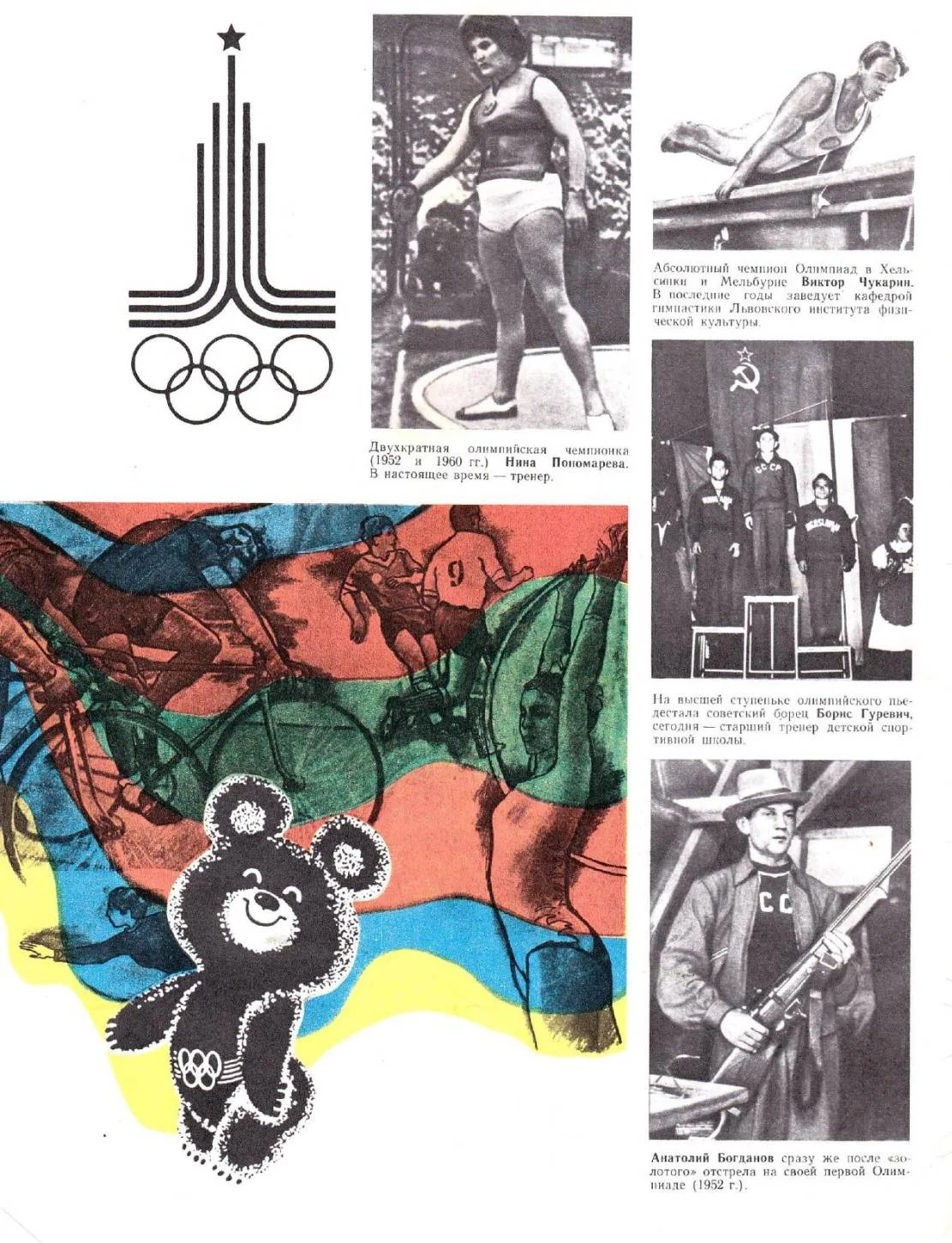
From 1980 to 1981, the club started publishing articles and music from some pop and prog bands. For example, in July, there’s an article about the Beatles—a short bio of the band after the required info about the 1980 Olympics, and two songs from Sgt. Pepper’s: She’s Leaving Home, and With a Little Help From My Friends.
1980: Emerson Lake & Palmer
Back in October 1980, an article came out called “The ELP Ensemble and the Problems of Art Rock.” In it, journalist Dmitry Ukhov talks about how musicians are trying to reinterpret classical music and the history of progressive rock. He even mentions The Beatles and Procol Harum!
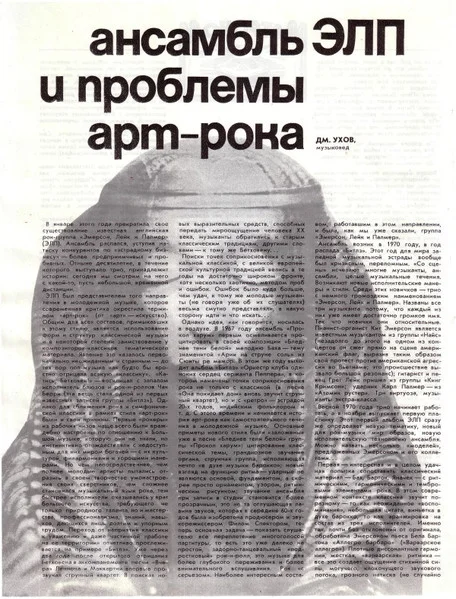
Not always, but sometimes the vinyl came with labels that needed to be attached to the disc. The records show that the flexi-discs were made at the All-Union Recording Studio of the Melodiya label.
ELP was pretty popular and well-respected in the USSR for its take on Mussorgsky’s work. Melodiya even put out a licensed version of Pictures at an Exhibition.
1981: John Lennon
A year after, in July again, two John Lennon’s songs appeared: Working Class Hero and Isolation with an article from Artemy Troitsky.
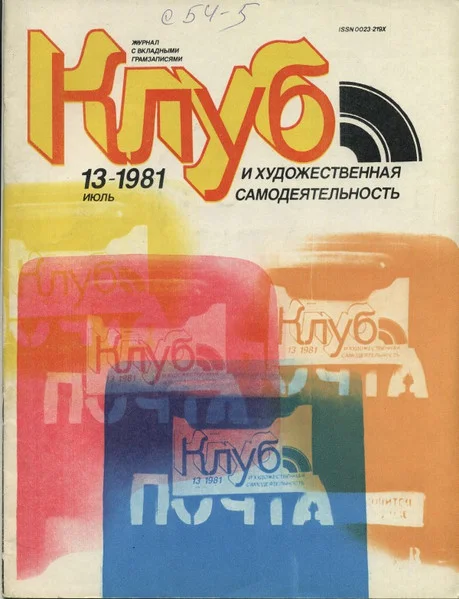
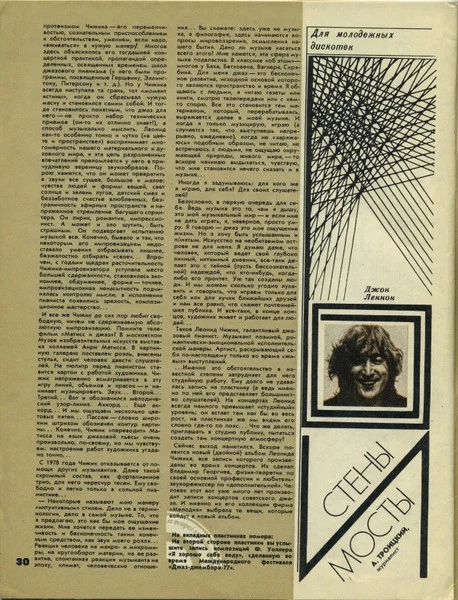
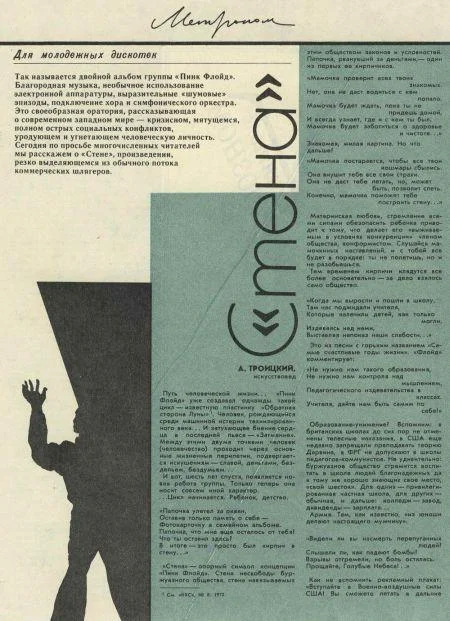
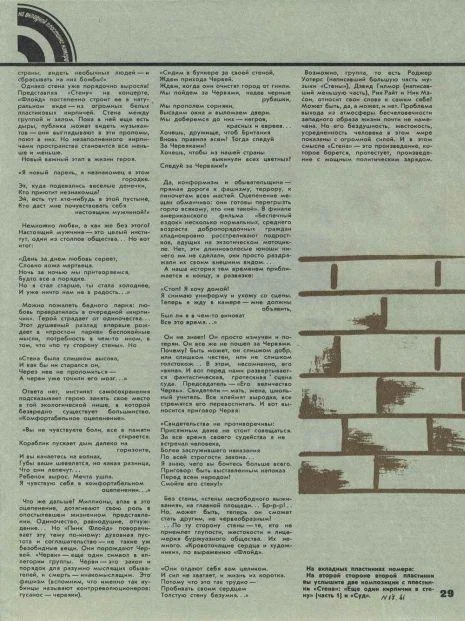
1981: Pink Floyd’s The Wall
Two years after it came out, Artemy Troitsky wrote an article about The Wall. Half of the material is just inaccurate translations of songs.
Like a lot of other articles in other magazines, this one is preceded by a statement that it’s being published “by popular demand.” I think this clarification was basically permission to publish articles about popular music, which the authors basically granted themselves.
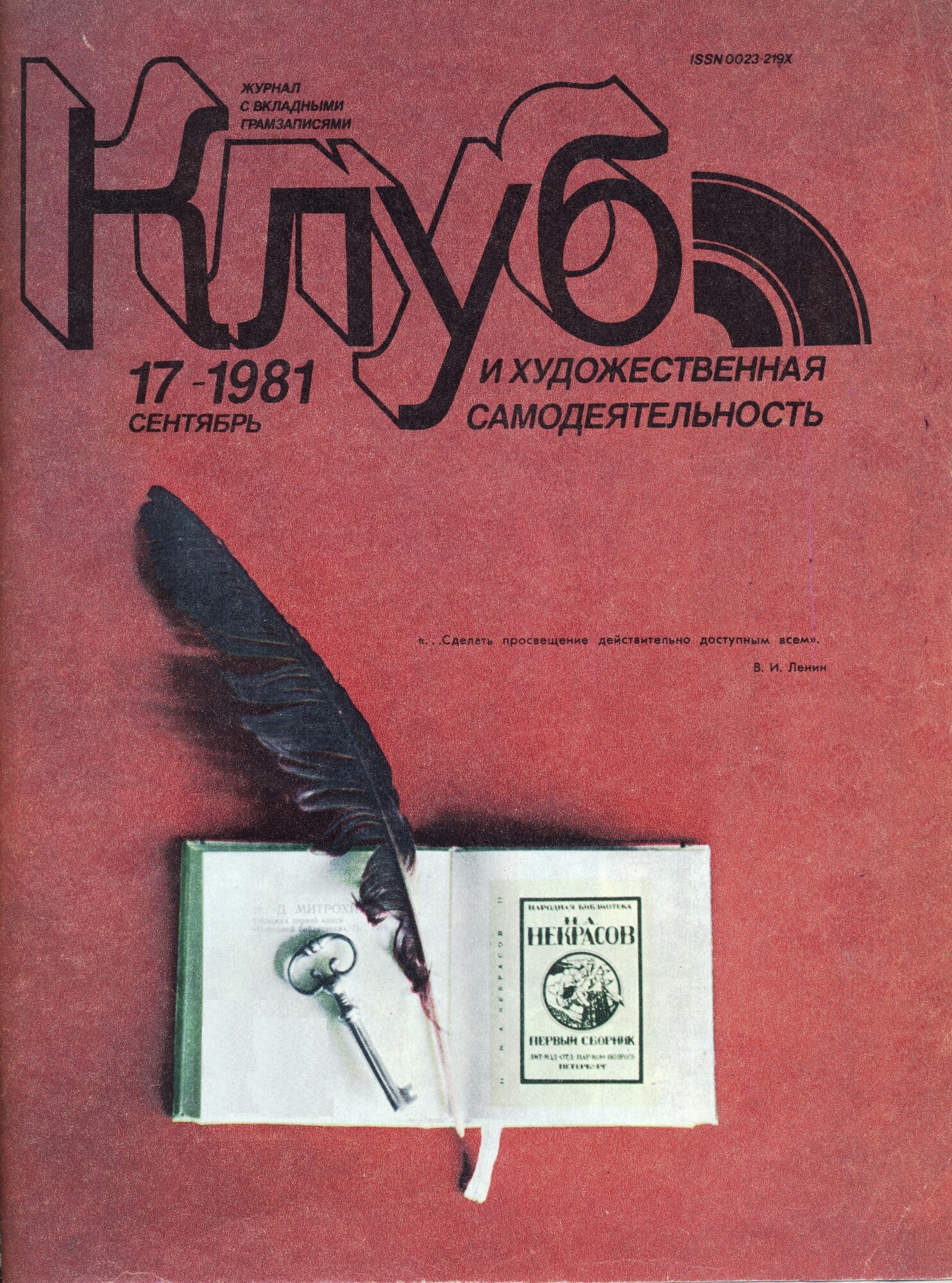
1990s
In 1989, the publication went back to being called Club, and that same year, they started a new section called Narodnoe tvorchestvo (Folk Art). This section kept the tradition of including vinyl inserts. The supplement came out 12 times a year, but it included the same 48 flexi-discs each year. That’s the same as what Club used to put out.
From 1990 onward, the magazine continued without the vinyl inserts. The exact status of Narodnoe tvorchestvo is unclear, but it seems that Club is still around.
Leave a Reply
You must be logged in to post a comment.