
Krugozor, a portmanteau meaning «horizon», “outlook” or “panorama,” was created in 1964 in the Soviet Union. It was an innovative monthly publication that combined literature, music, and socio-political commentary. What made it special was that it included flexi-disc audio inserts—that is, flexible gramophone records—in each issue. These sound pages let readers not only read but also hear the text, making it more than just a printed page.
On one of his trips abroad, Khrushchev happened to notice a magazine that came with built-in records. “Do we have anything like that?” Nikita Sergeyevich asked his assistants. “No,” they said, shrugging. “We will have it!” Khrushchev declared, and in 1964, the Soviet Union bought a machine from France that could print flexible discs. Some people say that a high-ranking KGB official, who is still alive, played a big role in the deal, but he doesn’t talk about the details.
Table of Content
Krugozor or Sonorama? Original Format Sources
Even though Russian-language sources often claim that Krugosor is one of a kind, it wasn’t the only magazine, and flexible discs weren’t the first either. And of course, it wasn’t invented in the USSR.
Krugozor was produced under license from the French company SAIP-Vega, which came up with the format of flexible discs and square magazines in 1958, even before the American Eva-Tone. In France, they published their magazine together with Hachette (Ithier de Roquemaurel), Vega (Jean Bonfanti) and Europe 1 (Louis Merlin). It was called Sonorama and was marketed as an expensive, luxury publication for women.
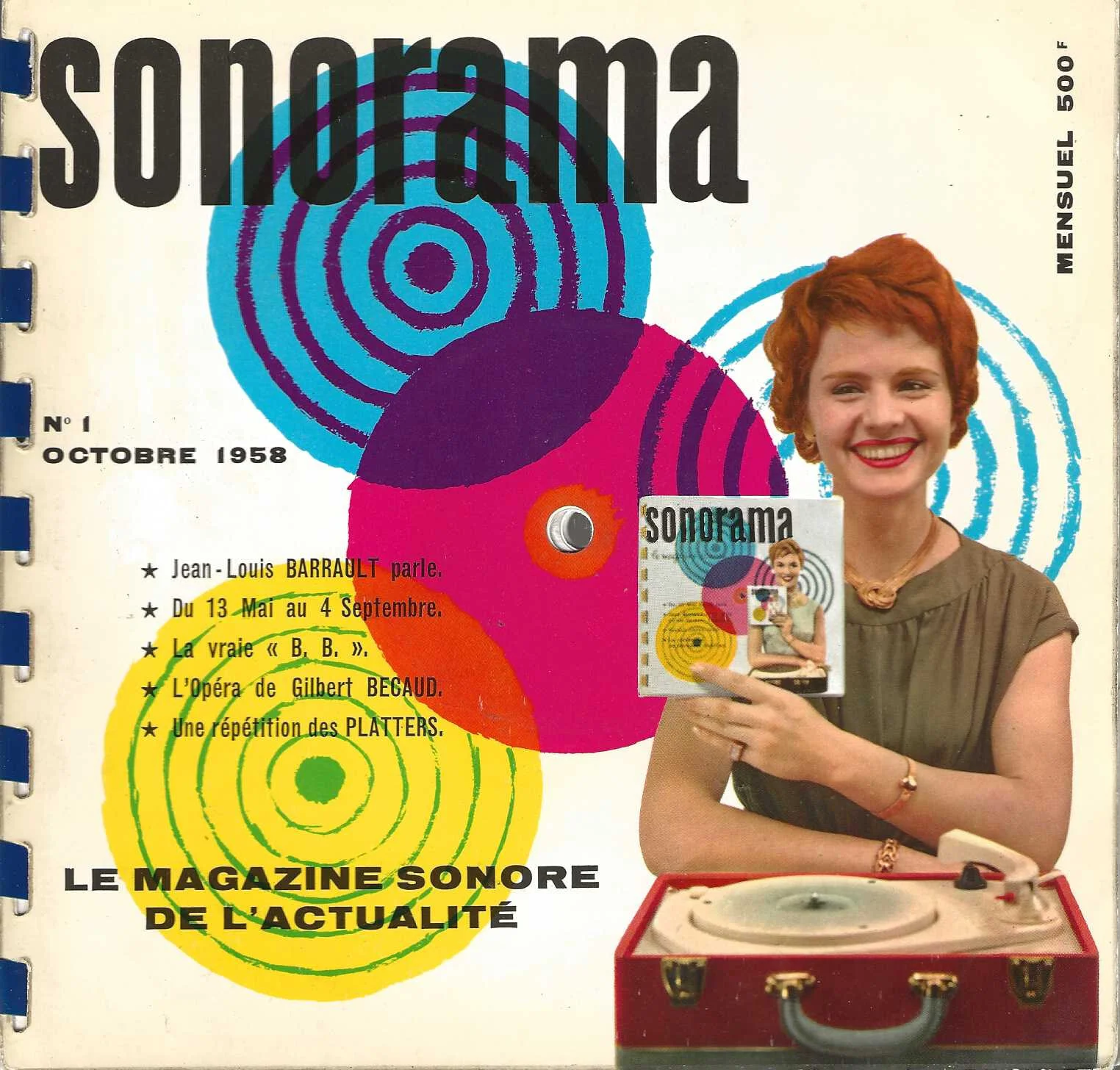
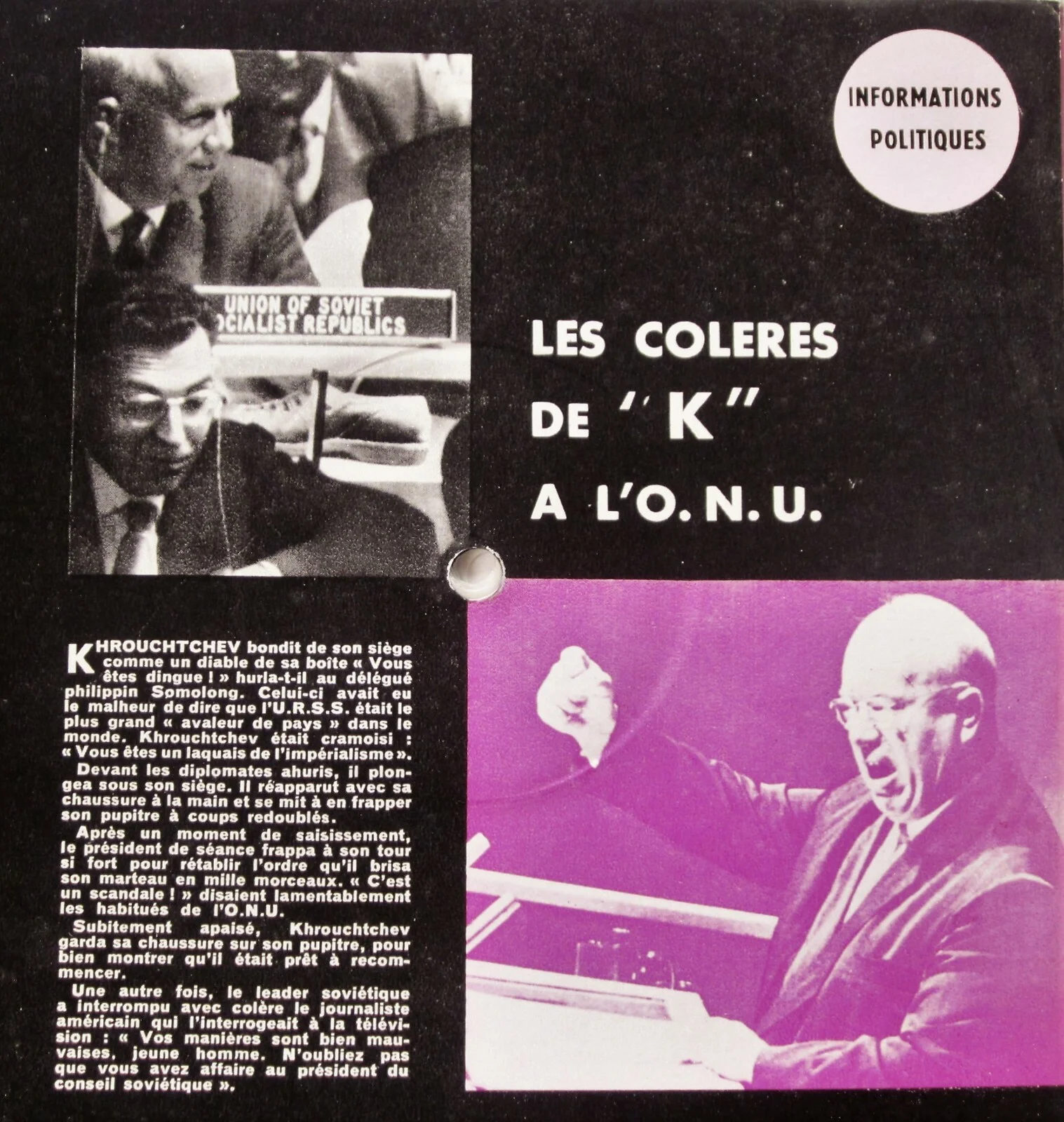
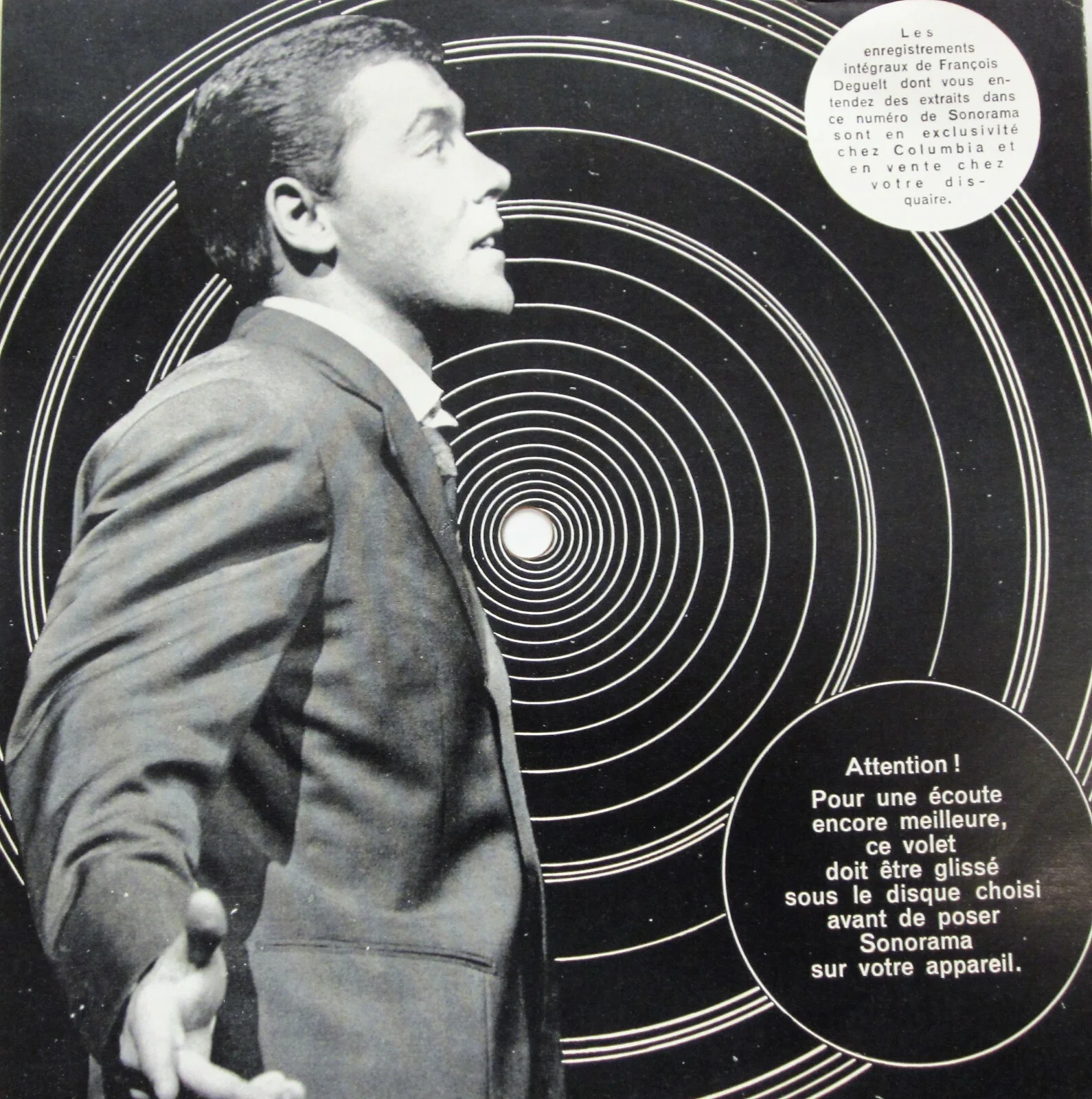
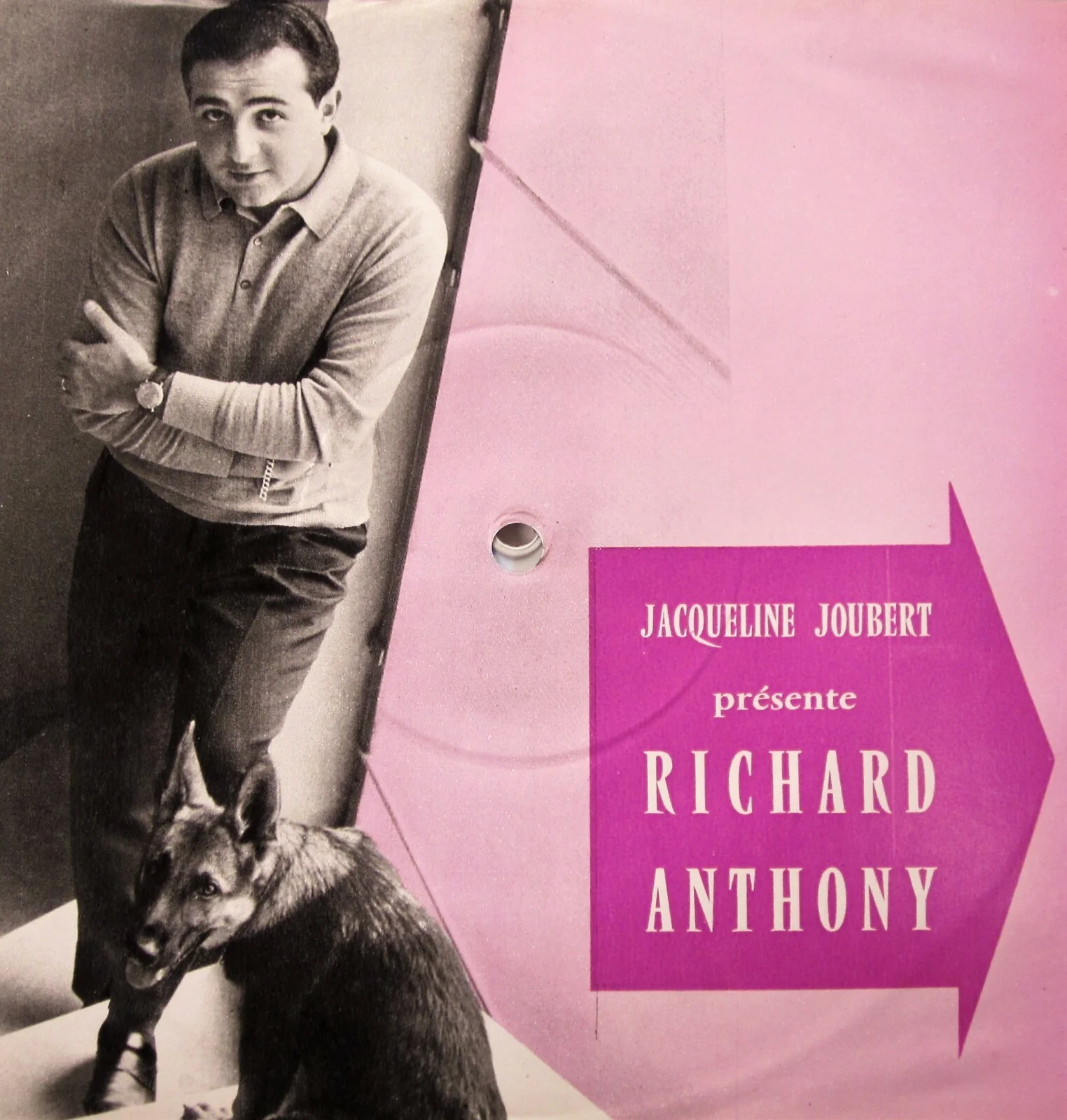
A year later, the license was purchased for production in Japan under the name Asahi Sonorama. The French version was around for 42 issues over four years, and then the Japanese started focusing on kids. They also improved the technology. The plastic quality got better, they started adding color images to the records, and instead of monophonic sound, they started recording in stereo.
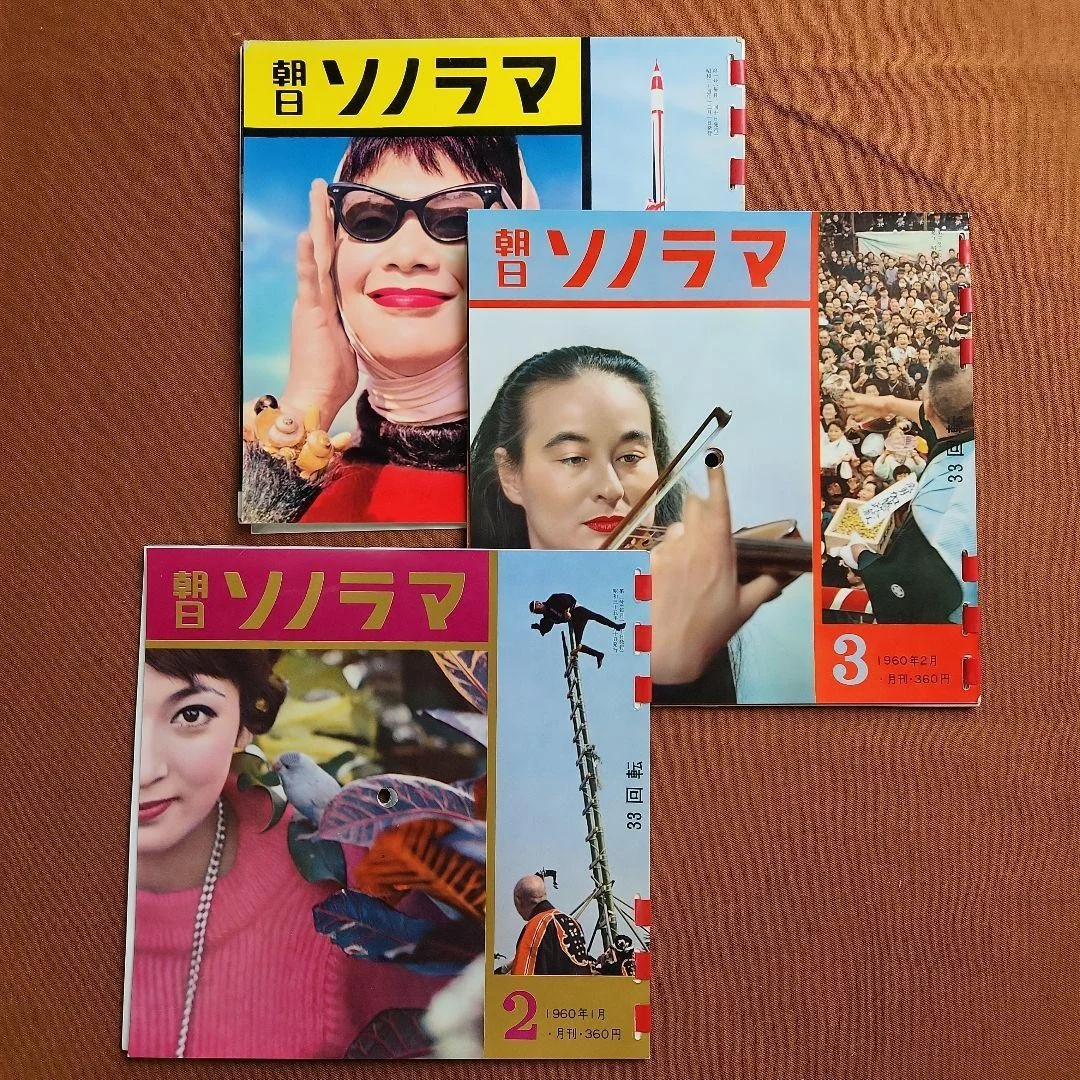
No one knows how much the license and equipment cost the USSR, but the price could have been in the tens of thousands of dollars. It looks like the Soviet Union decided not to use the name Sonorama. The USSR also streamlined the design and cut the production cost. They apparently used the same machines to print monofonic records for about 30 years until the early 1990s. At least, we can call it the longest-running.
Krugozor Original Team: 1964–1971
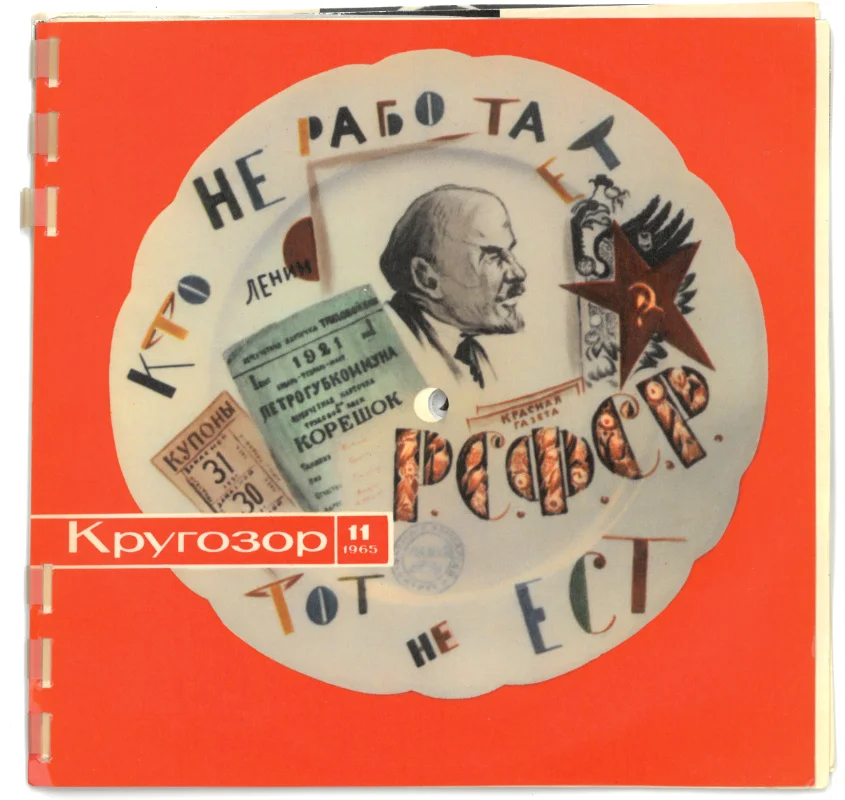
Since it was created, the editorial team has included songwriter Yuri Vizbor (who worked there for seven years), writer Galina Shergova, poet Evgeny Khramov, and Lyudmila Petrushevskaya, among others. The title was created by author Lev Kassil. The project was first called Impuls in internal documents.
Yuri Vizbor remembered that when the first issue of Krugozor was being prepared in 1964, the sound magazine still had no name. They thought and thought, but couldn’t think of anything. People in the editorial office called it “the magazine with a hole.” One day, Lev Kassil came into the radio studio, and they asked him what he would call such a magazine. Lev Abramovich replied right away: “Krugozor!”—and received a shot of the editorial brandy in return.
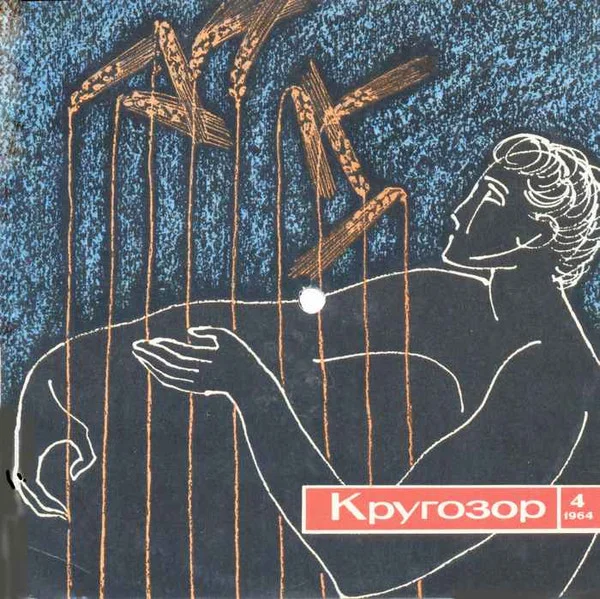
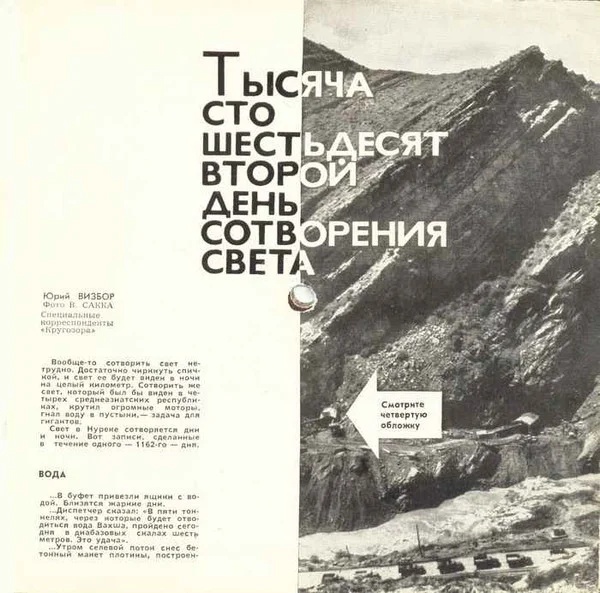
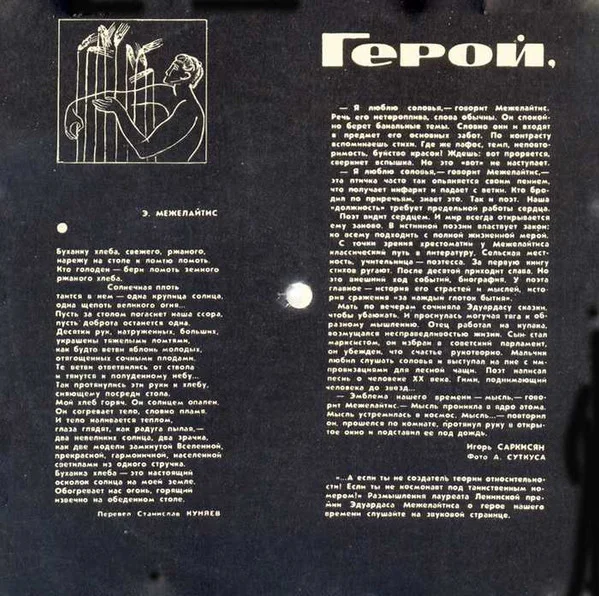
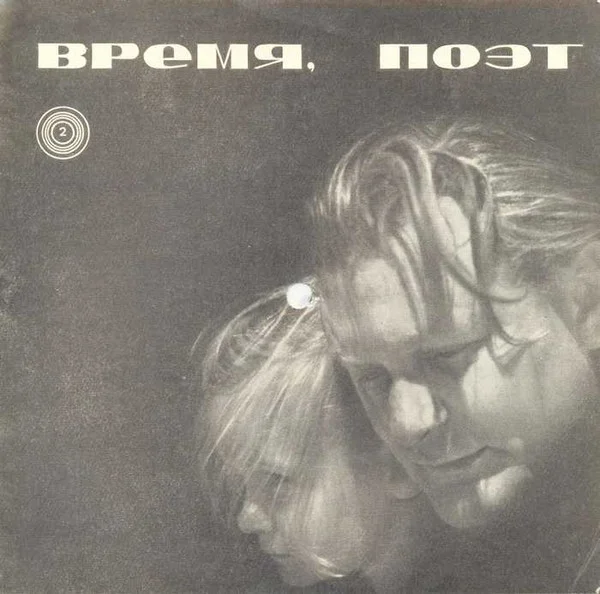
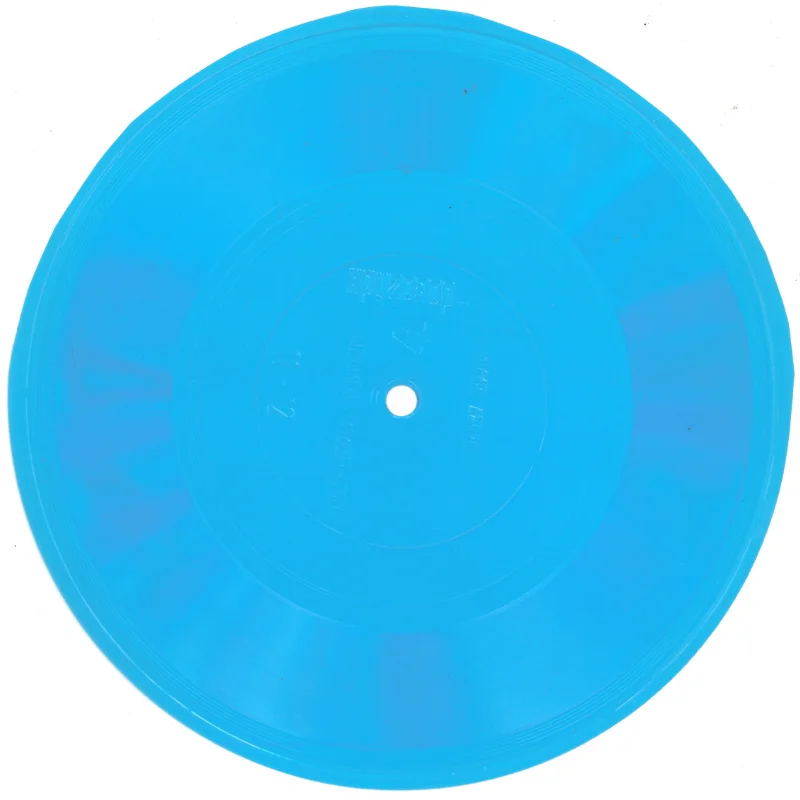
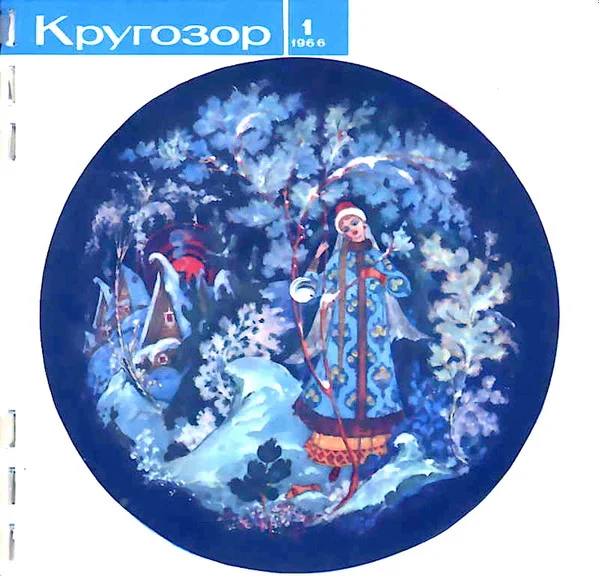
The young editorial team of All-Union Radio seized the opportunity to use this “miracle machine,” where many young and exceptionally talented people worked. They came up with the idea for a magazine that would combine sound, text, and photography. Each issue had a simple but complete format: four pages on the cover, sixteen pages inside, and six double-sided flexi-discs at 33⅓ RPM, with each side offering up to seven minutes of recorded material. Some stories were set up so that you could only hear the ending on the included sound disc.
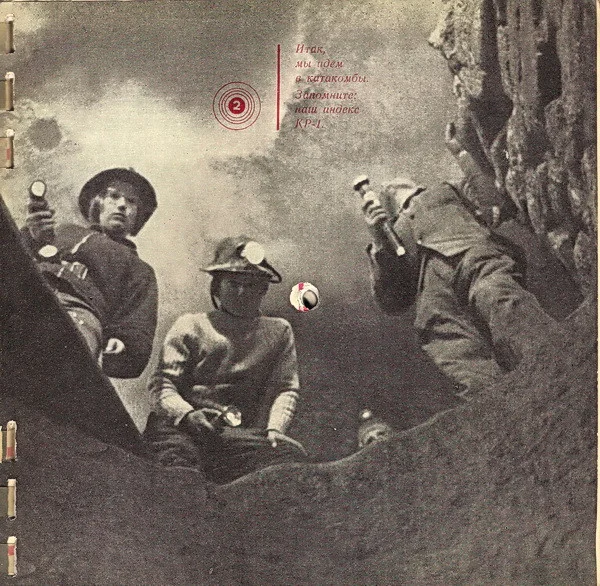
Yuri Vizbor brought back from that business trip a documentary song-reportage titled “On the Plateau of Rasvumchorr.” This new type of music was born at the intersection of musical art and radio journalism. It’s called the “song-reportage.” This form is what made Krugozor stand out and define its own identity.
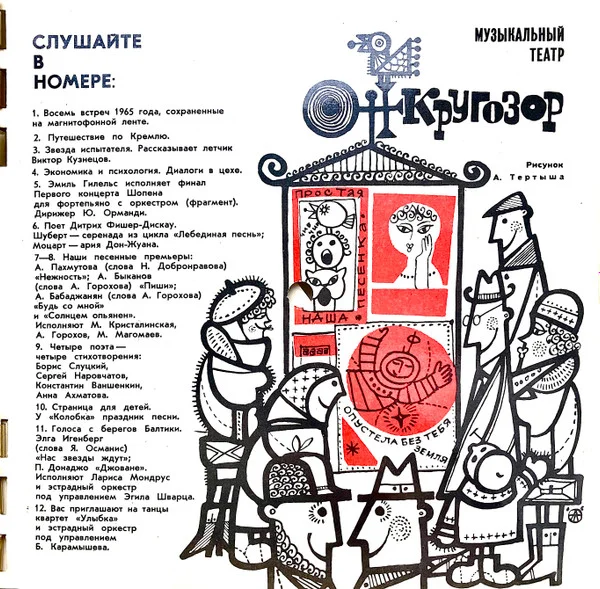
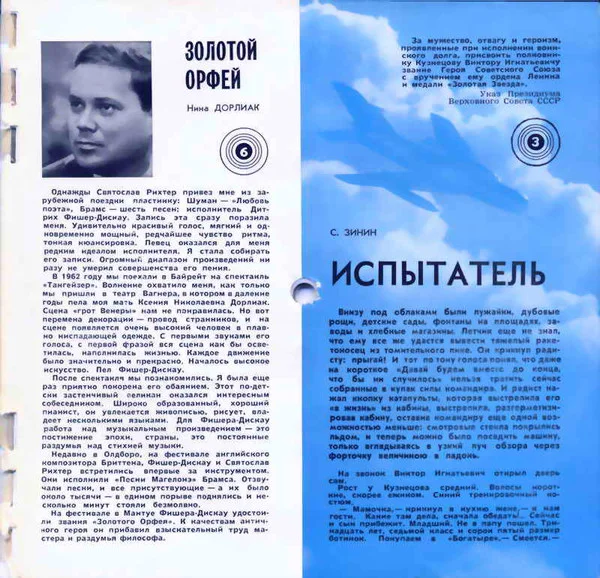
The content included documentary-style reports, literary essays, theatrical life, folk creativity, pop and classical music, and select Western pieces.
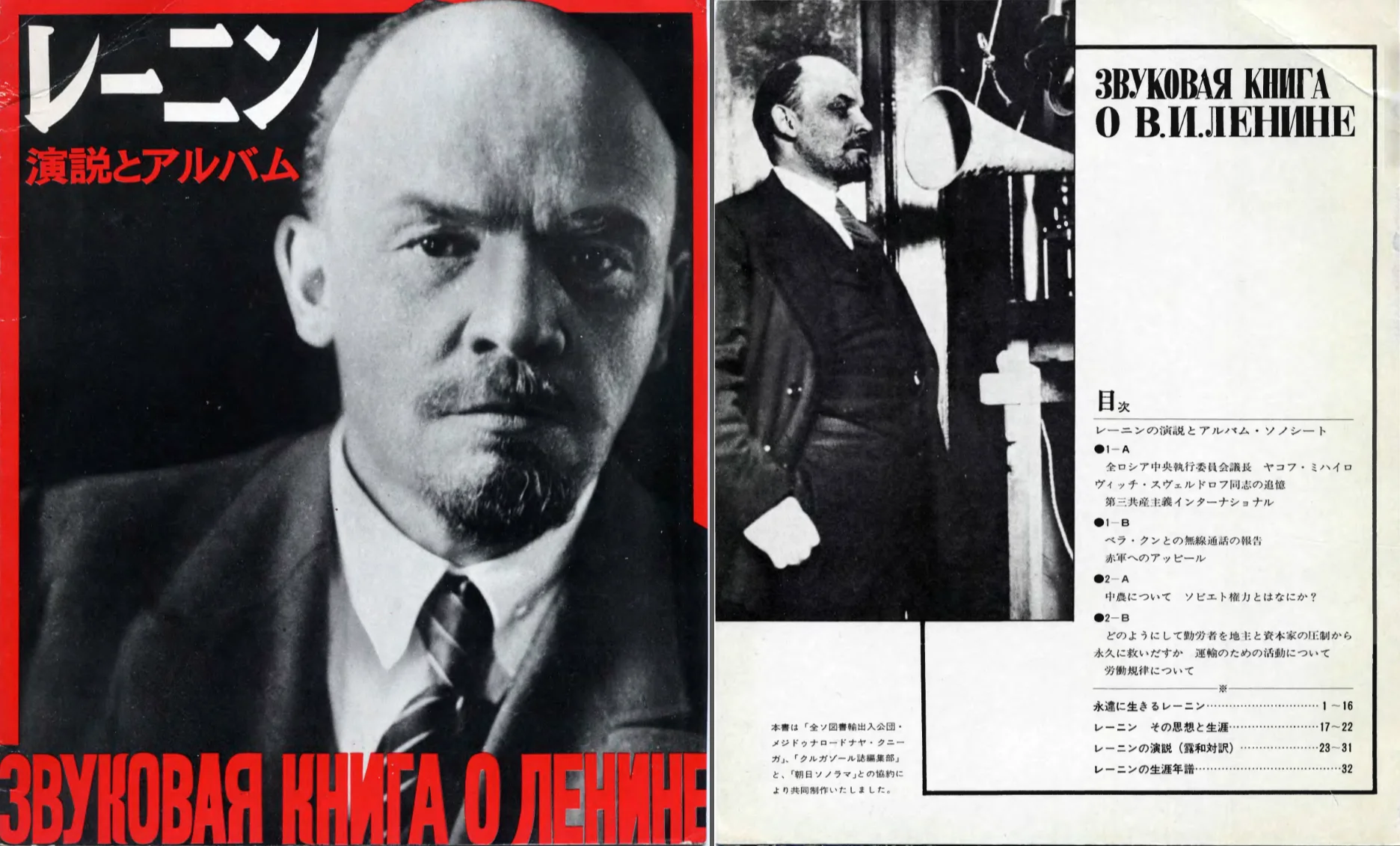
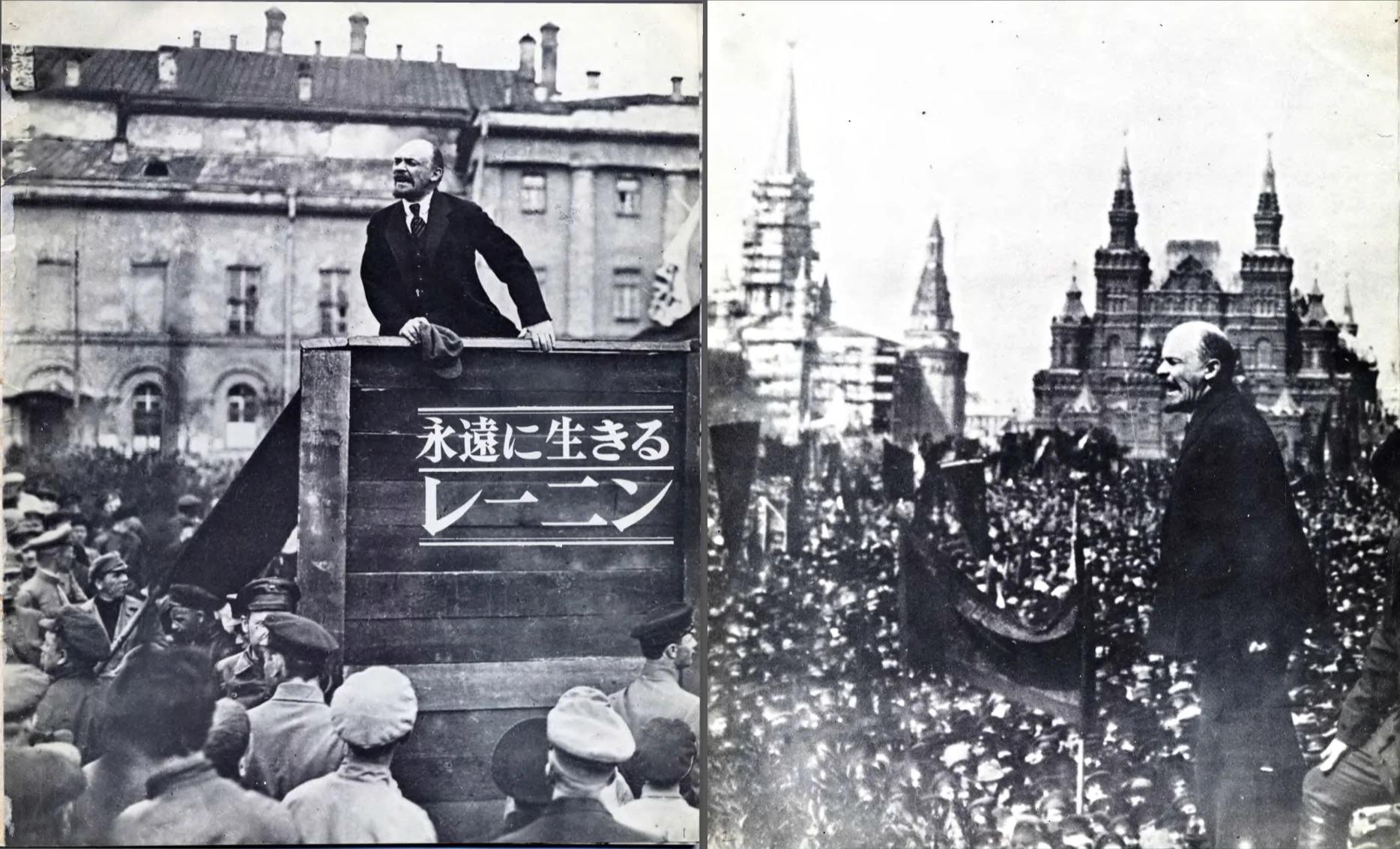
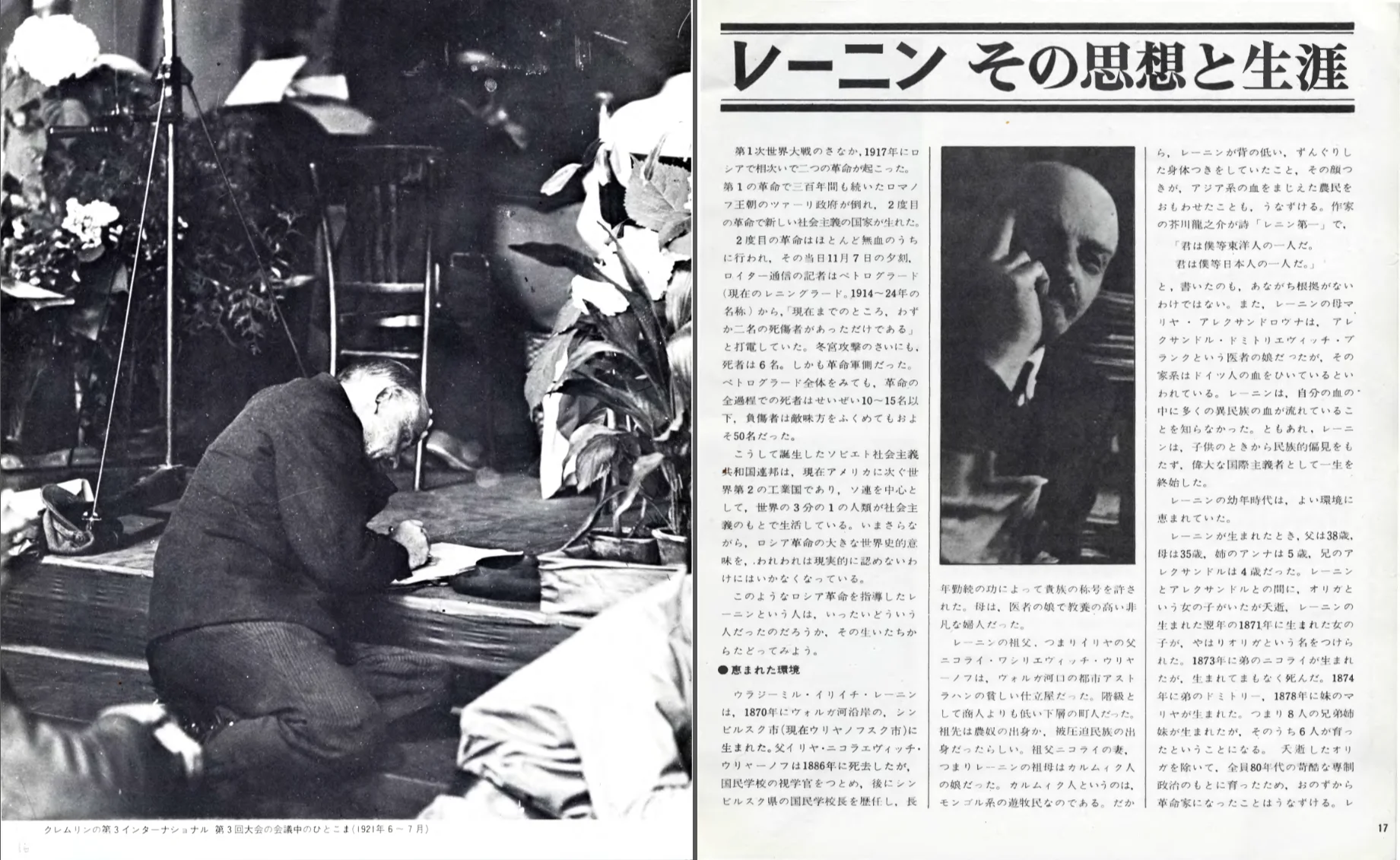
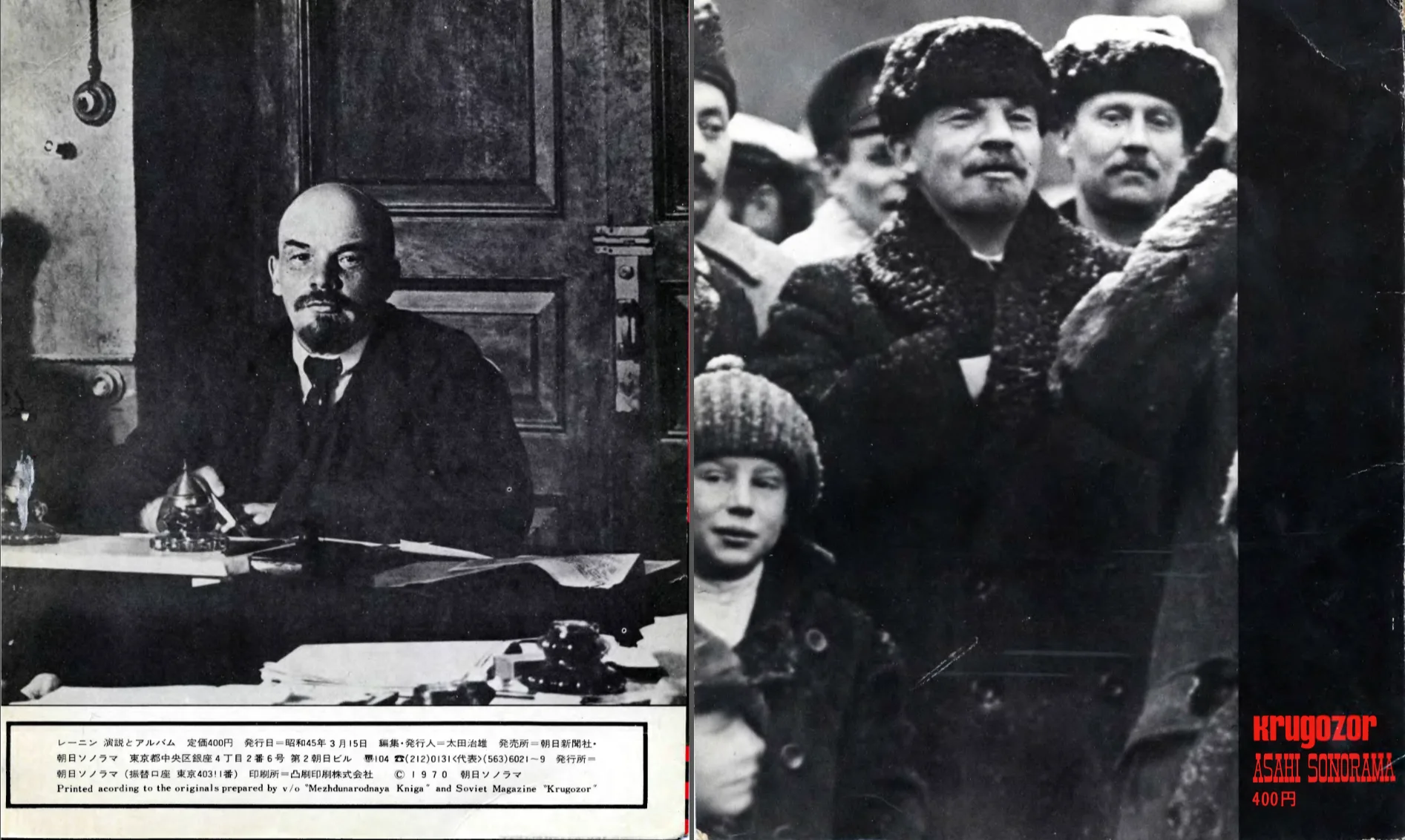
In 1970, to celebrate Lenin’s 100th birthday, the magazine released the first-ever sound book in the USSR. It featured recordings of Lenin’s speeches.
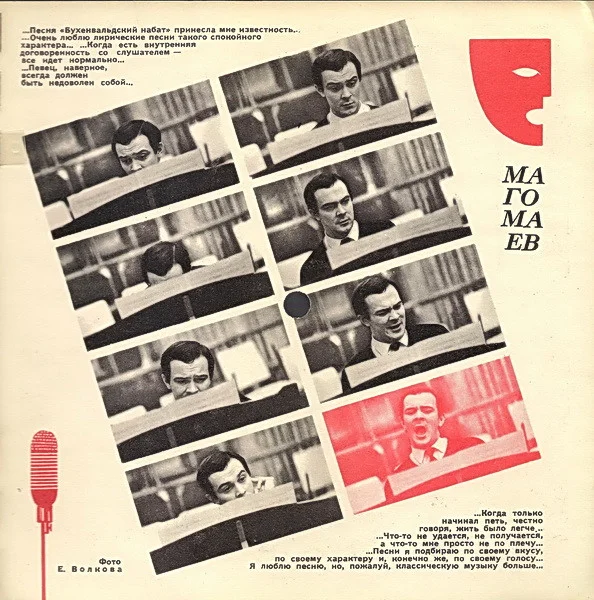
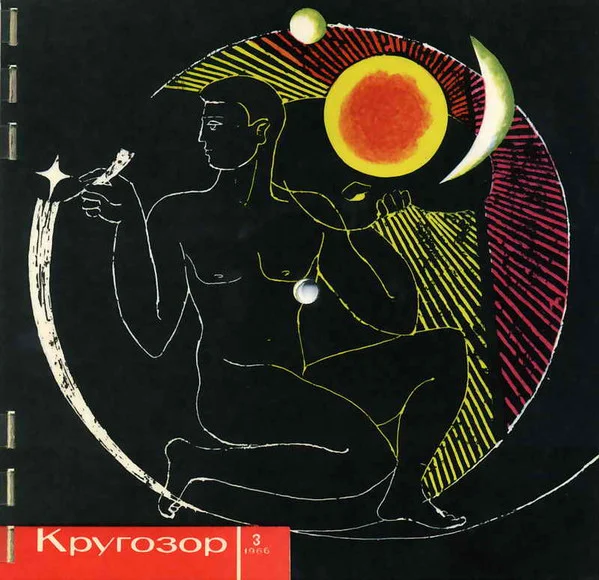
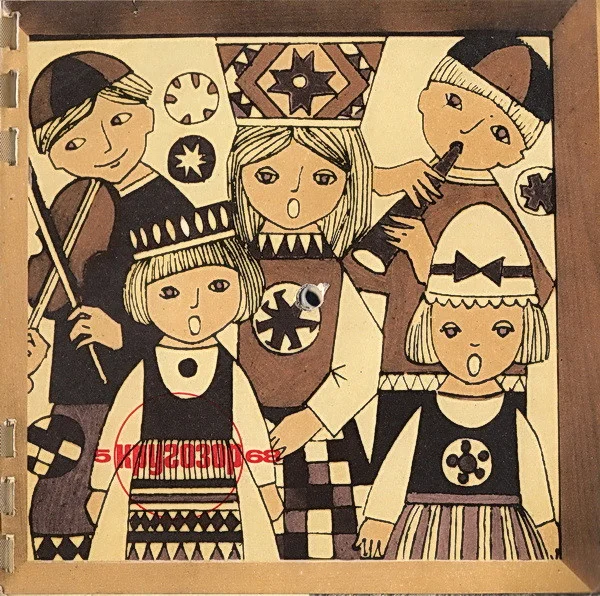
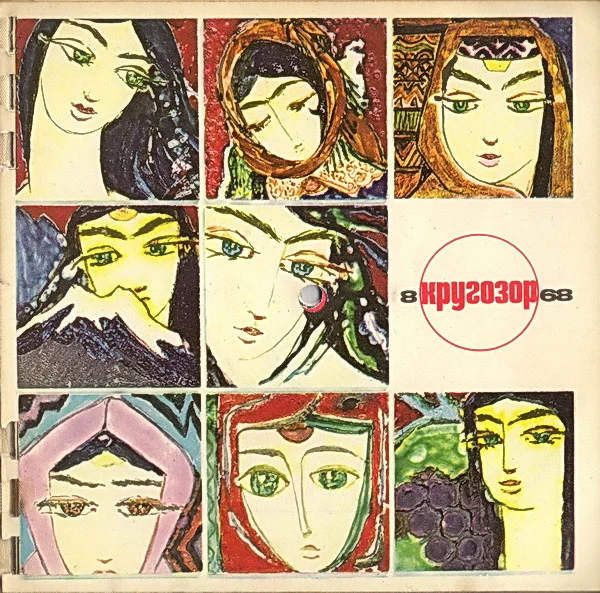
The early issues layout was quite modern and experimental, especially for the USSR.
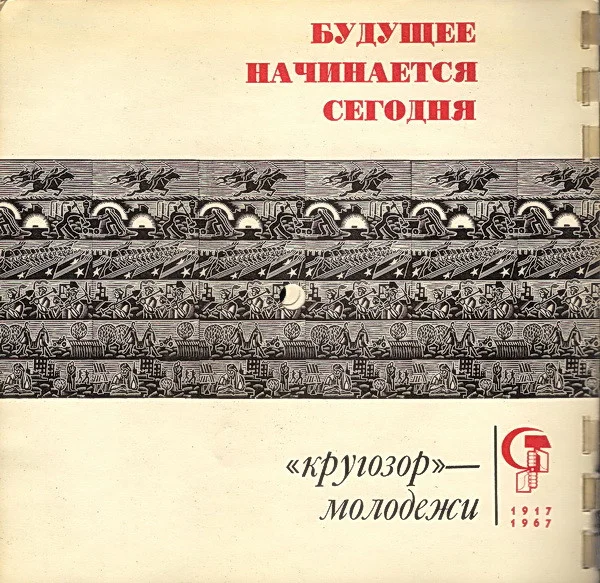
In 1968, the magazine started a children’s supplement called Kolobok. This supplement had a similar format to the magazine, with flexible plastic discs.
Design as a reaction to politics in 1970s
Boris Hessin was the first editor-in-chief of Krugozor. Later, he became the head of the television creative association “Ekran.” His successor was Evgeny Veltistov, and in the 1980s the role passed to Sergey Nikolaevich Yesin.
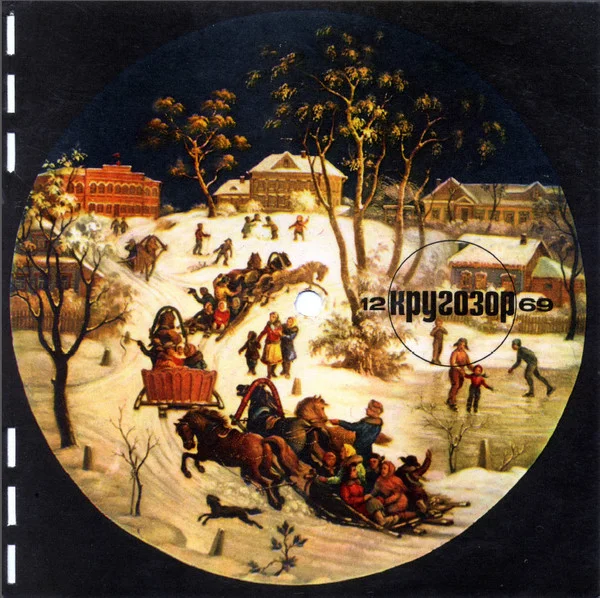
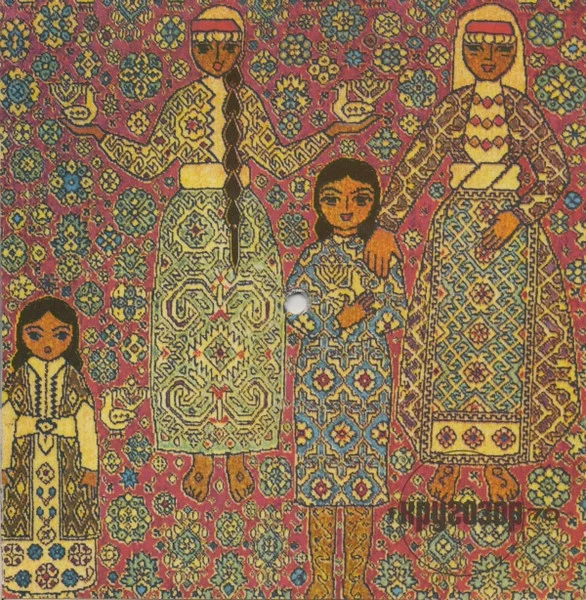
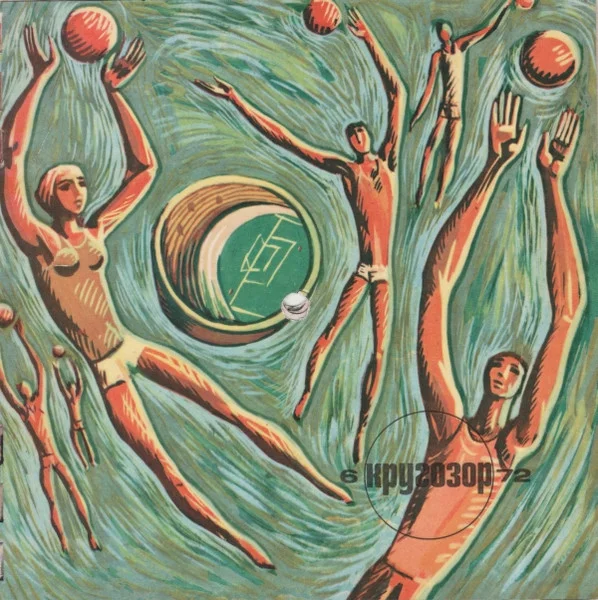
You can see the design of Krugozor as a mirror. It shows how the Soviet Union changed from a period of openness under Khrushchev to a time of censorship and stagnation under Brezhnev. Every seven to ten years, the design changed as the editorial team changed, and both the content and the look of the magazine got worse.
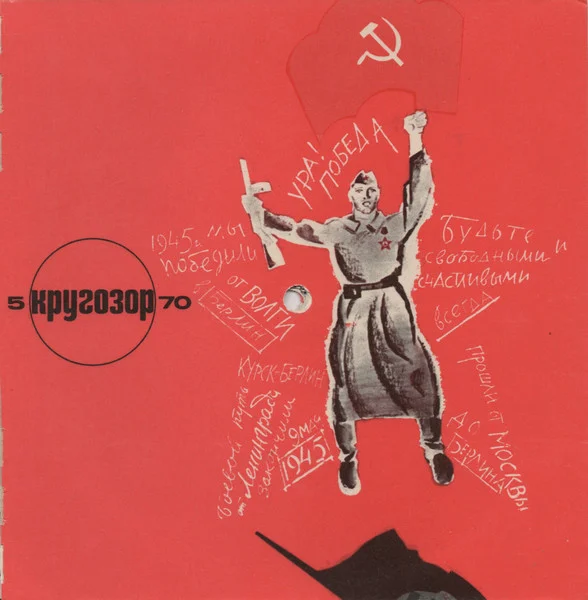
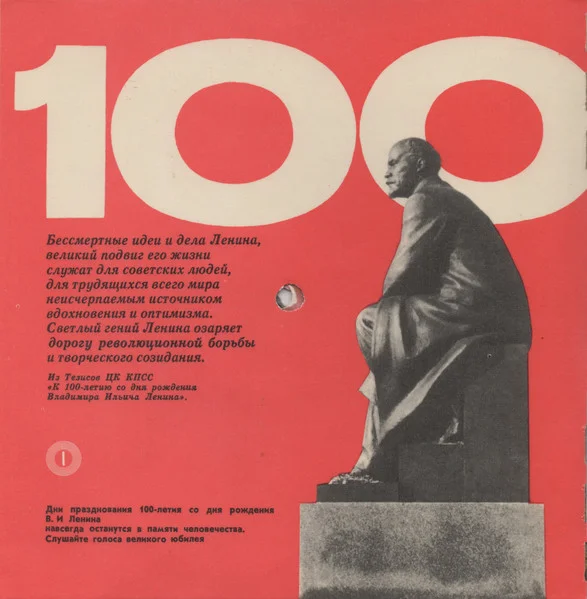
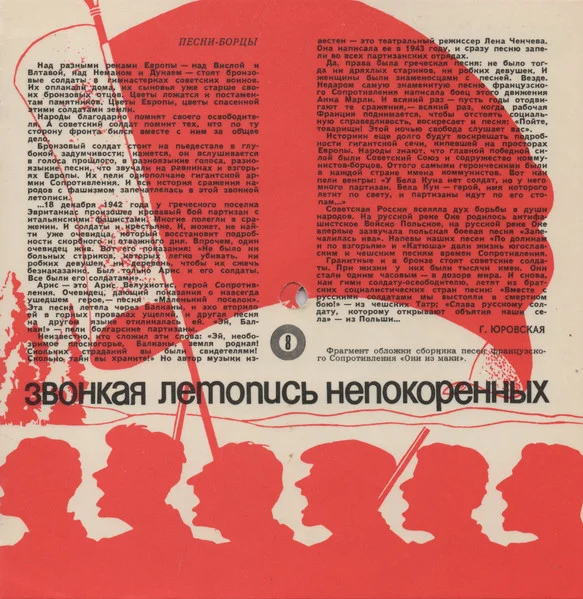
At first, it seemed like a good idea. Beautiful stories about the revolution were shown with art and culture from different parts of the Soviet Union.
Special Issues
Beyond its regular issues, Krugozor also produced special and thematic editions in many languages, including Russian, English, German, and Japanese. This shows the magazine’s commitment to diversity and reaching readers around the world. For example, there was a special issue of Krugozor dedicated to the 1972 Sapporo Olympics, which was produced in collaboration with the JVC.
There were several specials through 60s in other languages than Russian and English. One in arabic in 1967:

In 70s, two special issues of Krugozor were in Japanese. The Soundbook About Lenin:
And one for EXPO 70’:
All special issues of Krugozor are on https://www.krugozor-kolobok.ru.
Psychedelic mid-70s
TThe earliest issues of the 1960s were distinctive and stylish, and by the early 1970s, you could even notice the influence of Western psychedelia. The most “acid” years were 1973-1975:
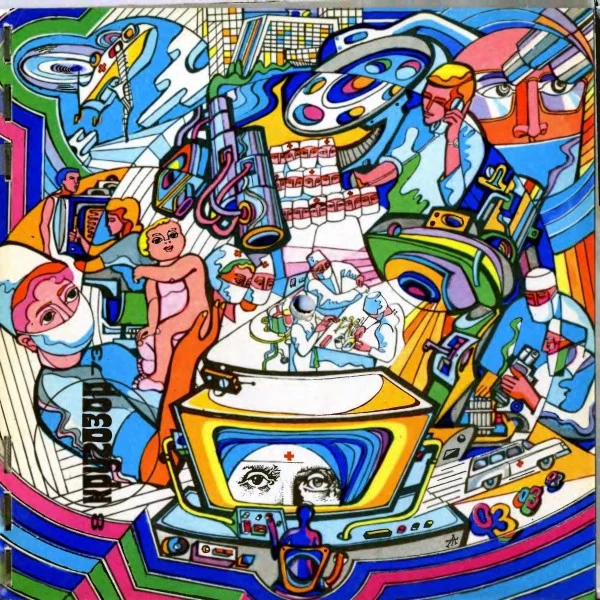
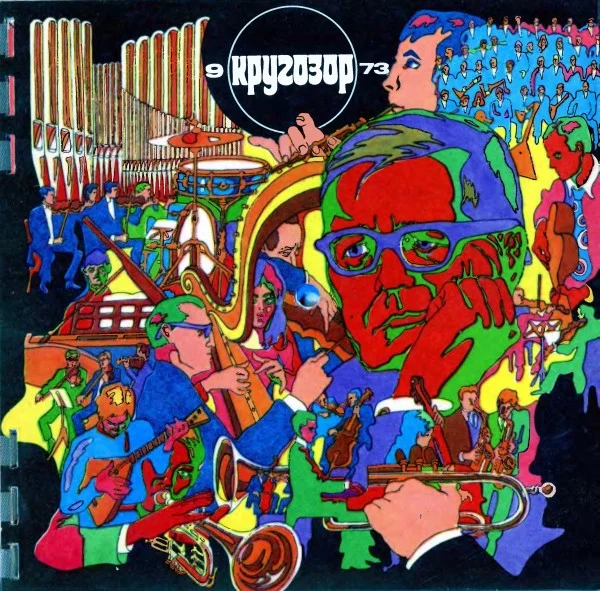
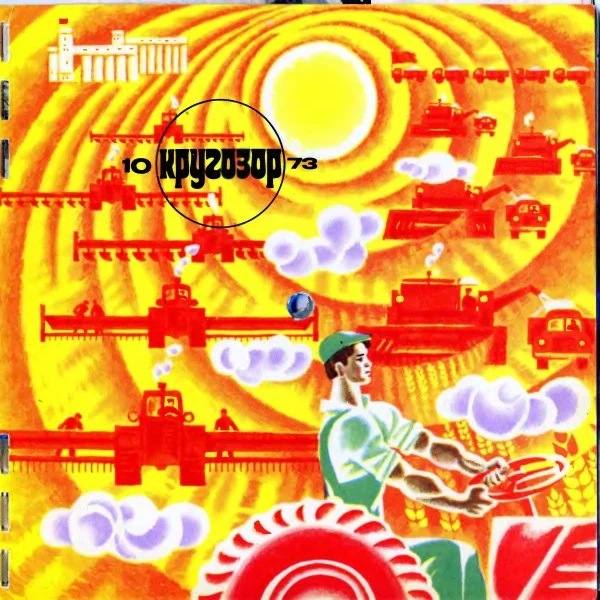
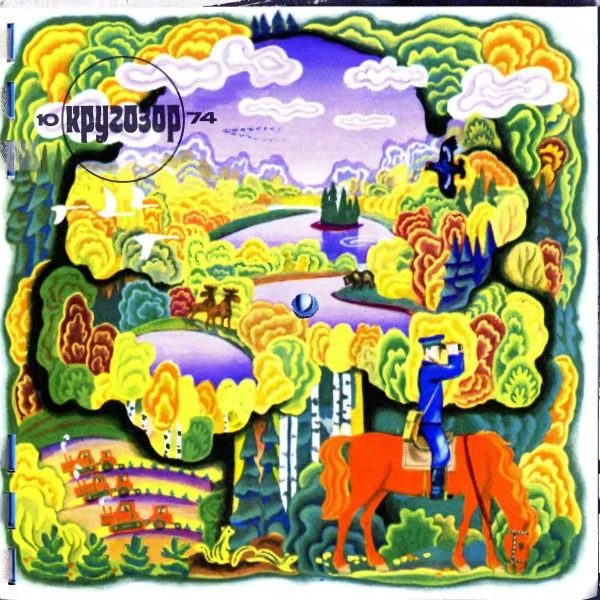
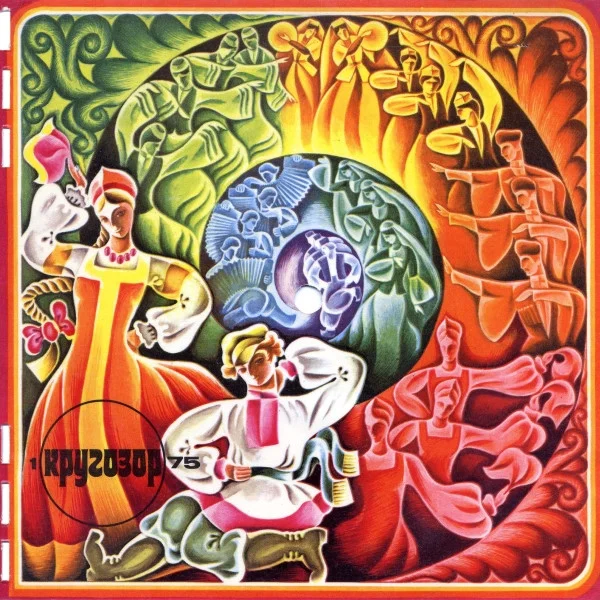
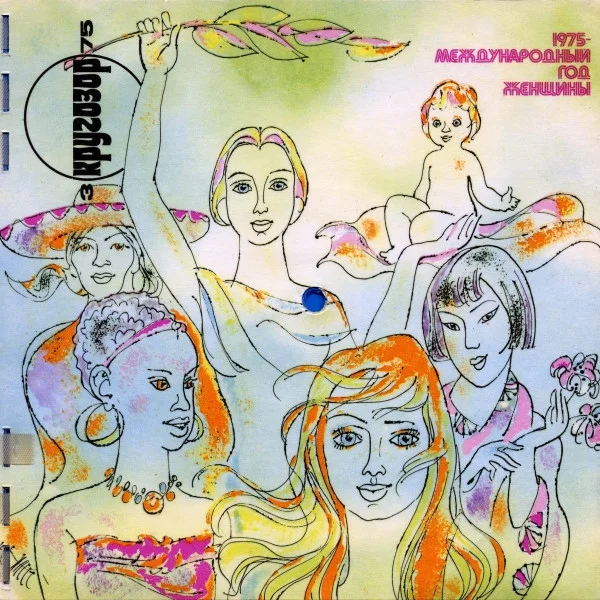
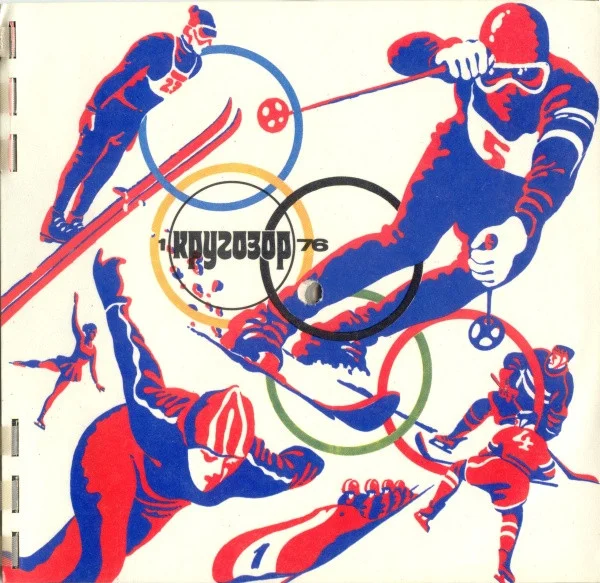
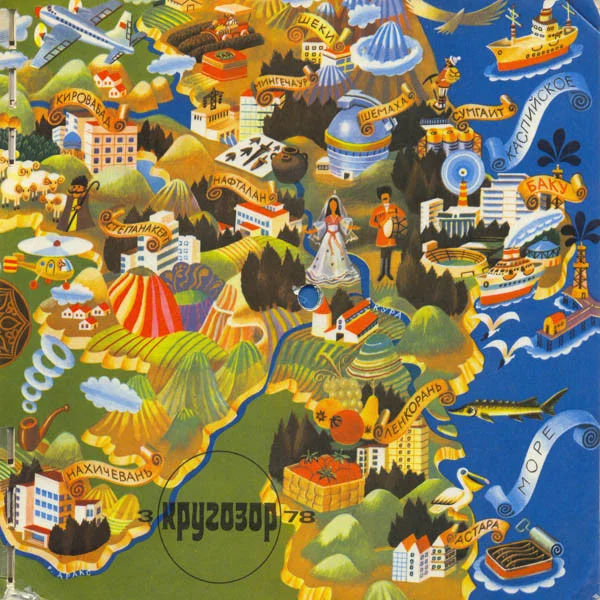
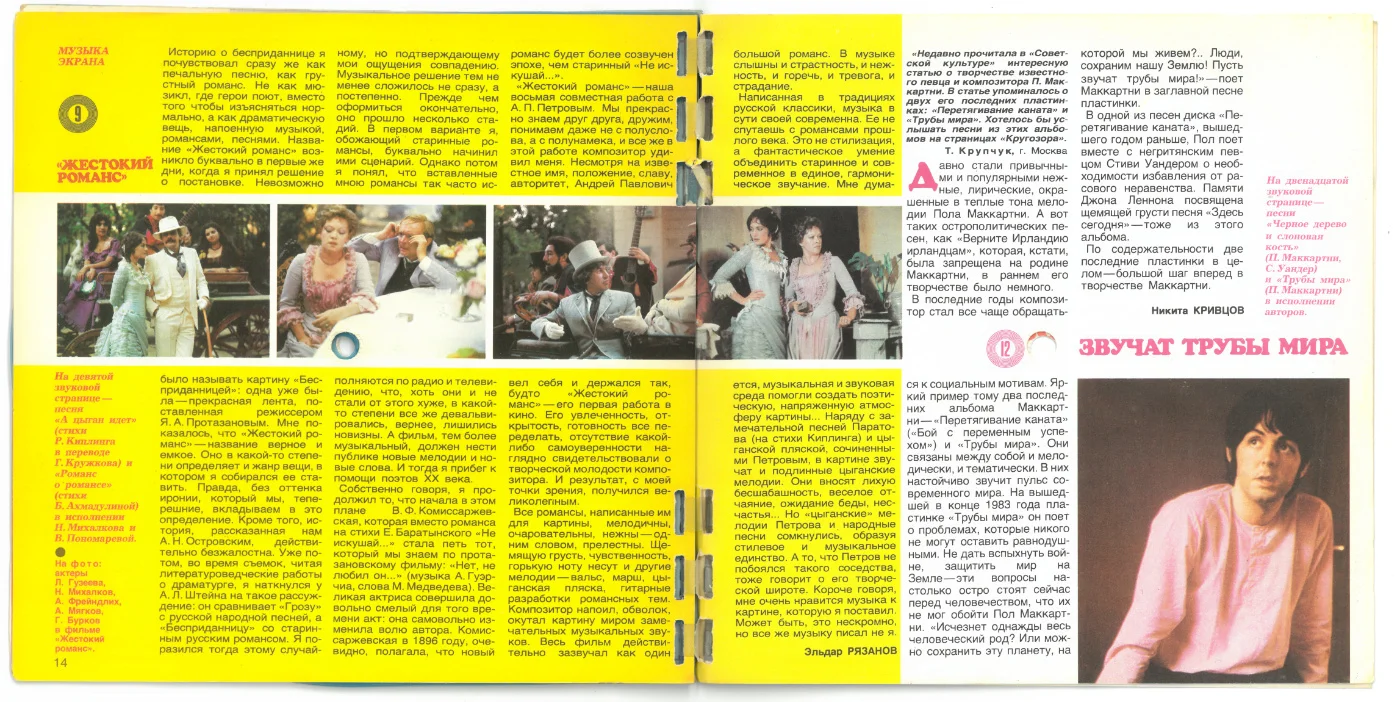
During those years, Krugosor published solo works by all members of the Beatles, always with articles about them.
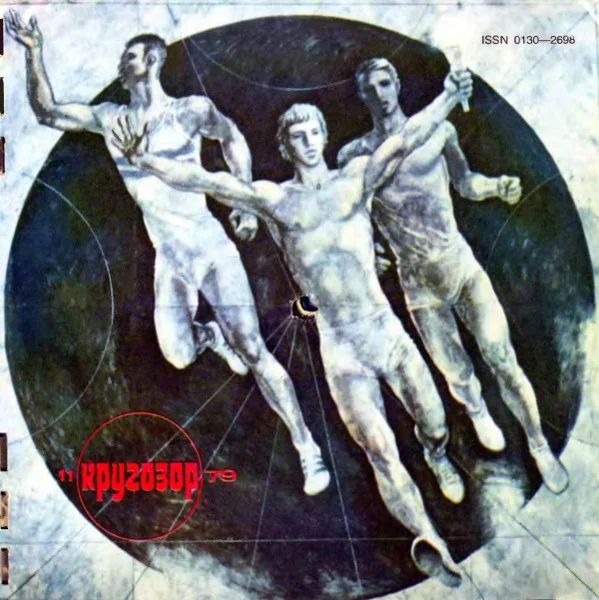
But in the late 1970s, especially after the Olympics, the bright colors and articles about modern Western music were slowly replaced by traditional socialist-realist art and dull pieces that praised Soviet culture, going back to Lenin, WWII, and the revolution.
What was the reason for this?
First, the original team changed in 1971 when the magazine’s authors and editors were changed. Second, starting in the late 1960s, manuals for editors started popping up in the Soviet Union, laying out rules for language style, design layout, and what expressions and topics were right.
Alexei Yurchak writes about this in his study “Everything Was Forever, Until It Was No More: The Last Soviet Generation” (p. 52):
Innumerable brochures for party propagandists, newspaper editors,
and common citizens continued to stress, as in the past, the importance
of composing texts and speaking the language that conveyed precise
“party-spirited” [partiinye] meanings (Lukashanets 1988, 171). How-
ever, what constituted party-spirited meanings of linguistic formulations
was no longer publicly discussed; instead it was now claimed that precise
meanings were guaranteed by the exact replication of the form from al-
ready existing party texts. The 1969 Reference Book for the Secretary of
a Primary Party Organization (Spravochnik sekretaria pervichnoi parti-
inoi organizatsii) criticized those secretaries and propagandists who still
allowed themselves to speculate on ideological issues in their own terms,
an act that invariably led them to slip into “superficial pseudo-scientific
language” (Kravchenko 1969, 55).
All this differed greatly from the recommendations published in the 1940s. Yurchak also points out that starting in the mid-1960s, the style of visual art started to become more standard and simple. Ten years later, this would become even more noticeable.
Slow decay: 1980s
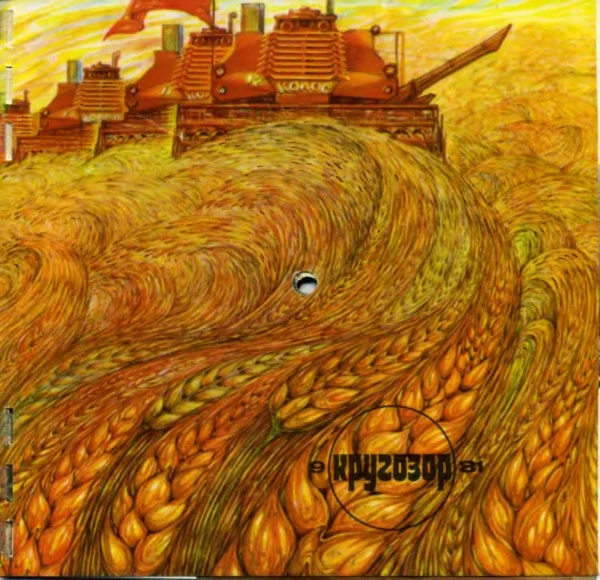
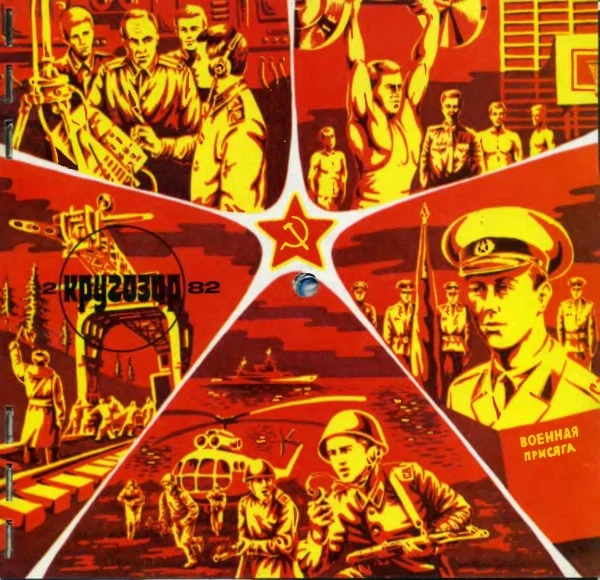

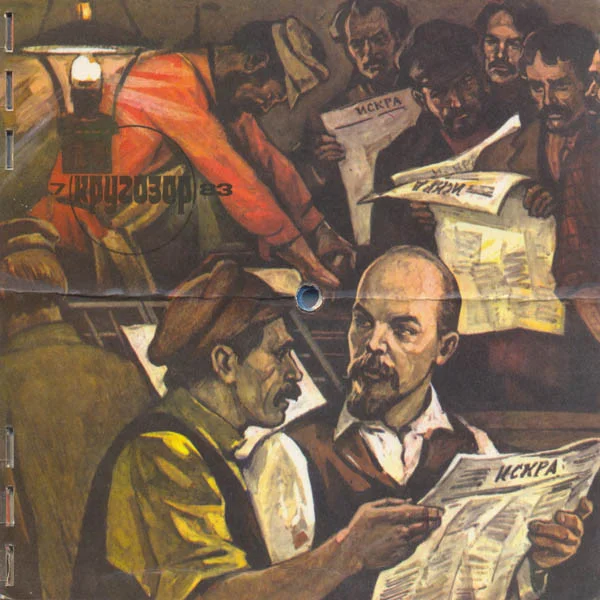
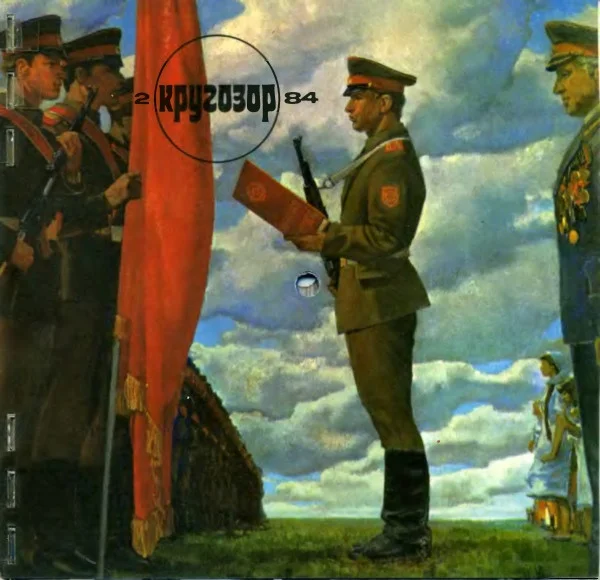
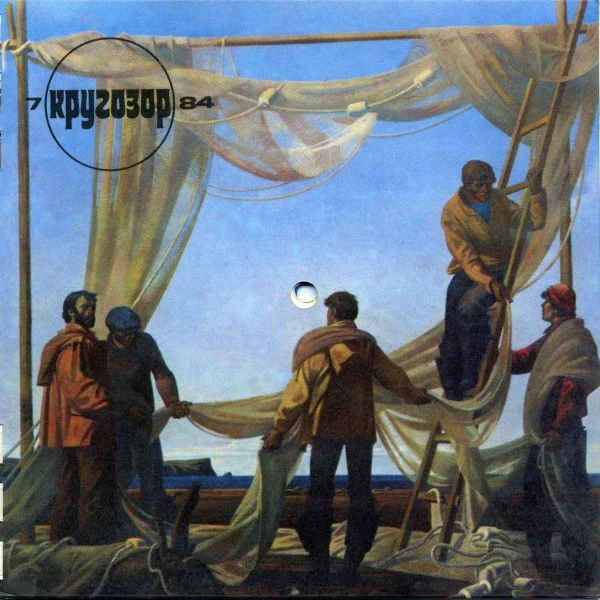
In 80s, Krugozor magazine started focusing more on World War II and stories from people who lived through it. But the writing got longer and harder to understand because it used a lot of clichés and communist propaganda.
In some cases and themes, for example, the Olimpic Games or early soviet posters, it was creative enough — thanks mostly to photographers. But outside of sports and some interesting visuals, it was already very repitative and dull.
What was originally sold as a magazine for young people slowly changed and became very different from the modern style. Who in 1985 would want to read about old communist achievements and CPSU congresses again and again?
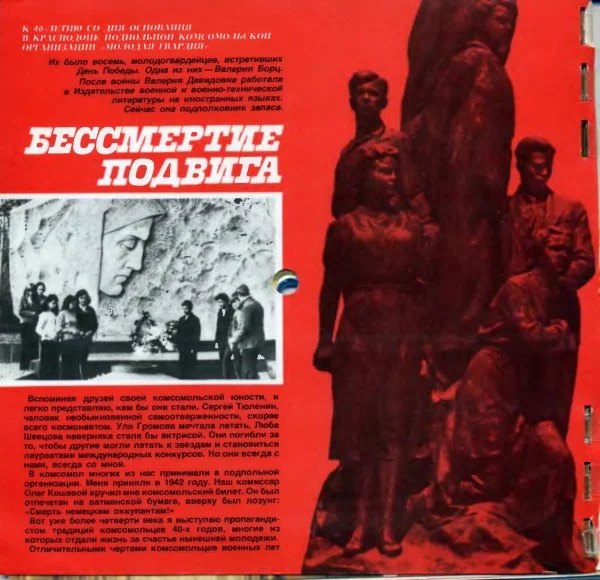
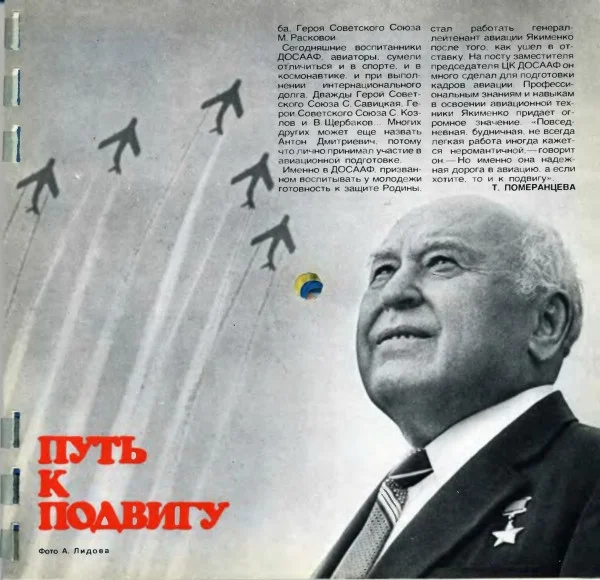
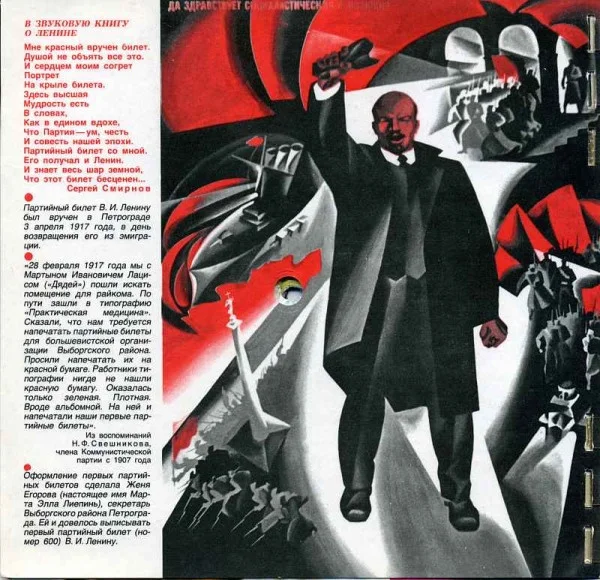
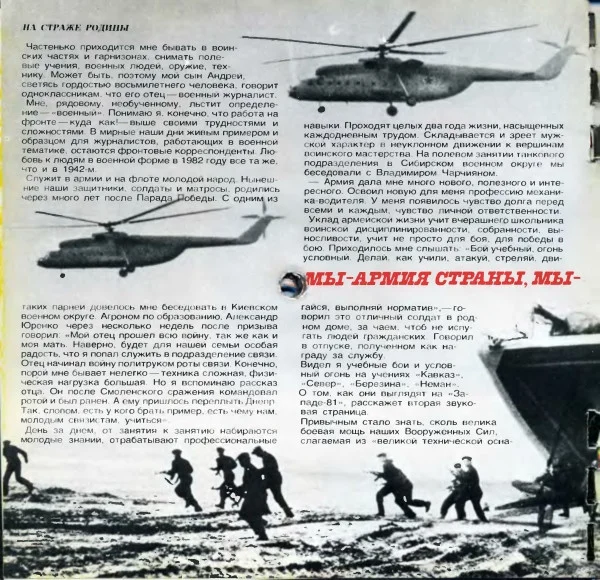
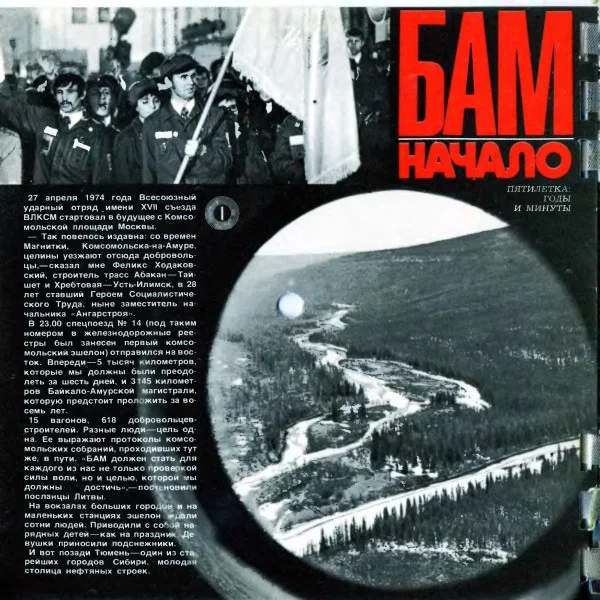
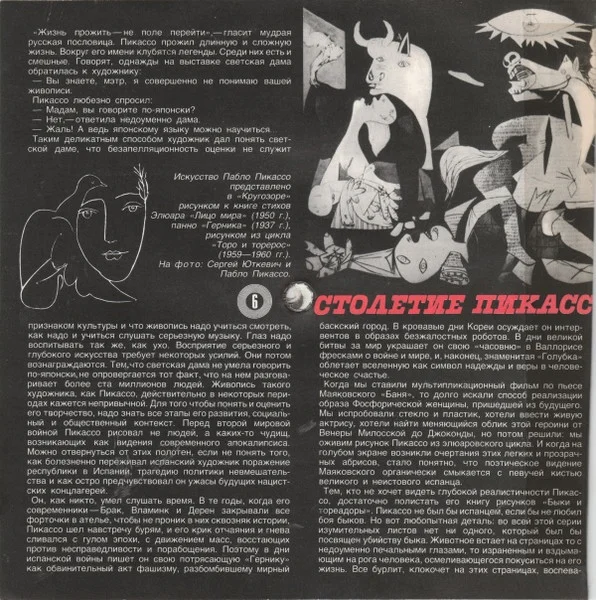
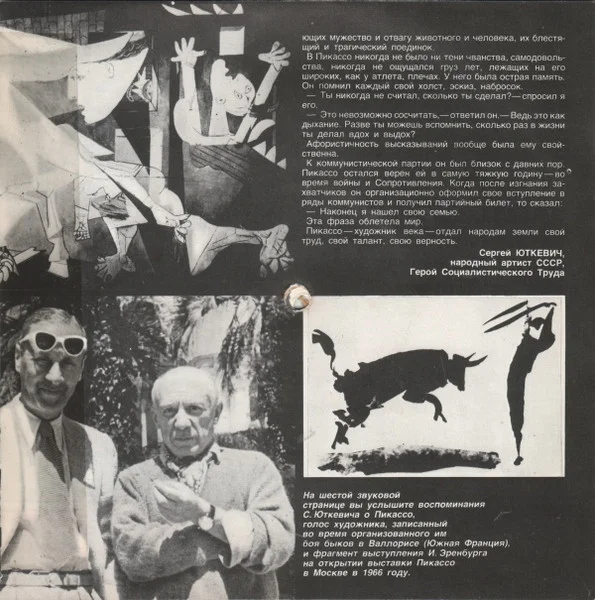
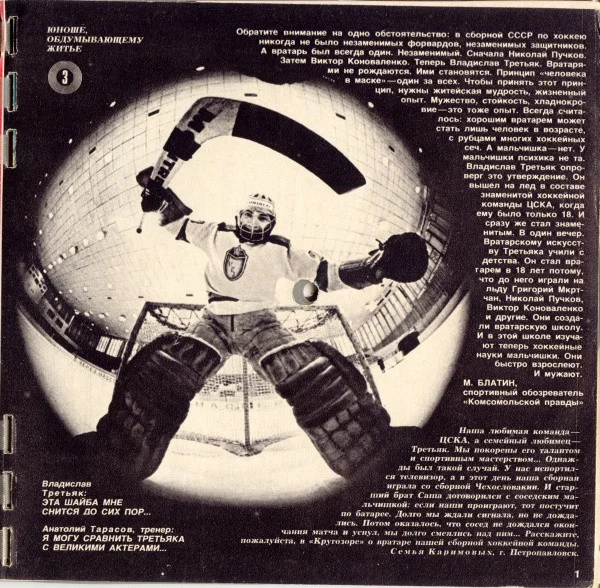
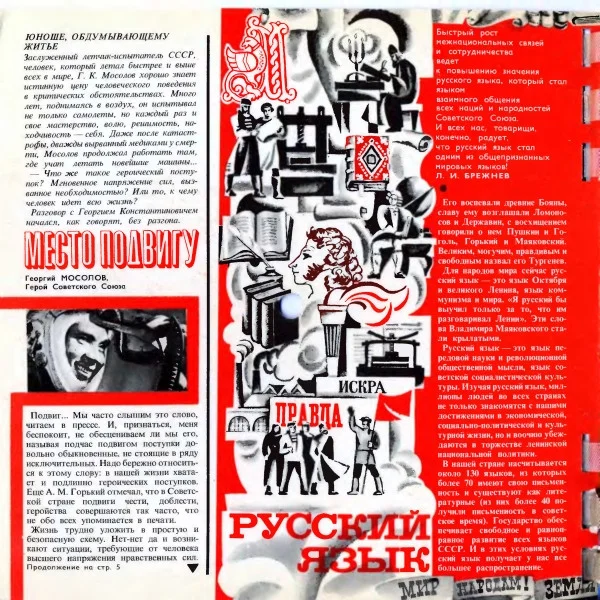
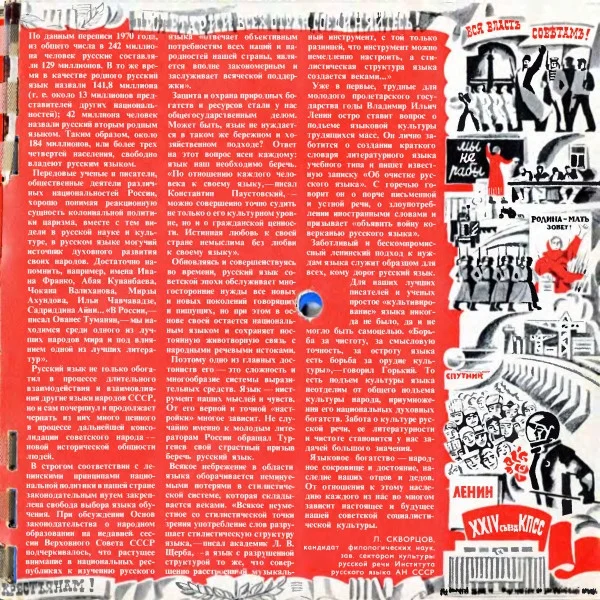
By the late 1980s, the magazine’s style had become very typical of the late Soviet era, with an emphasis on bright colors like brown, black, and red. For me, it became a symbol of the cultural decline of the Soviet Union.
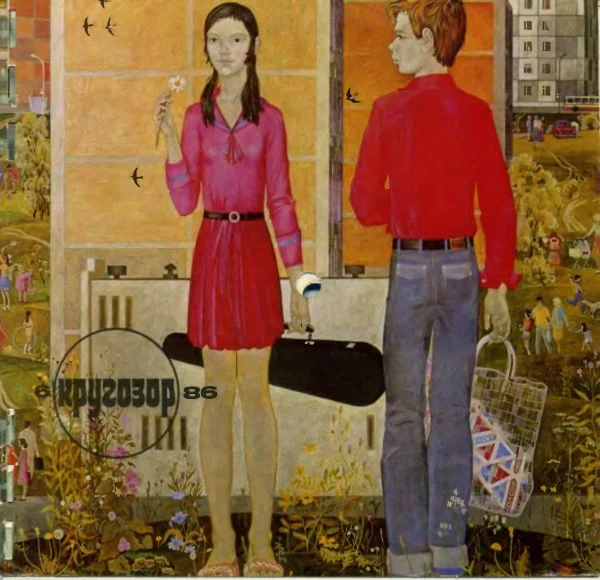
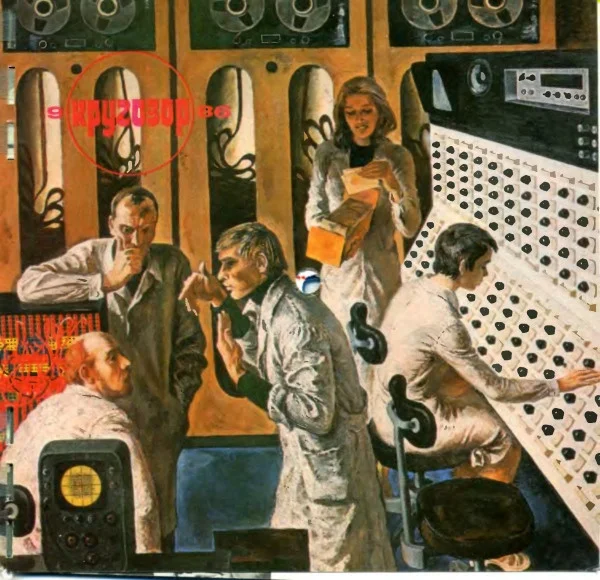
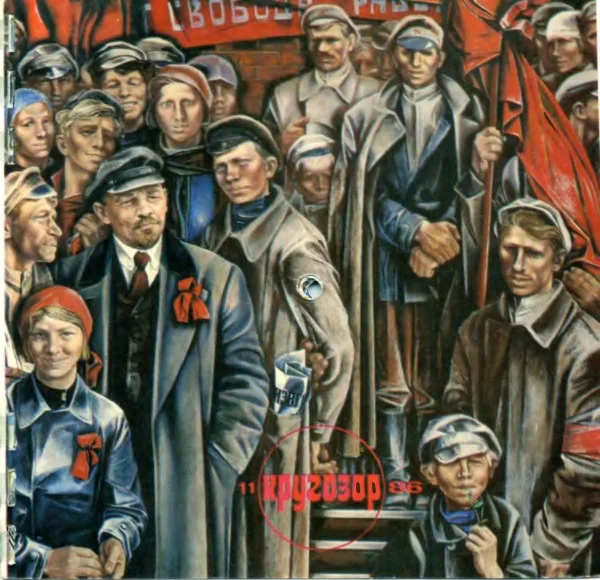
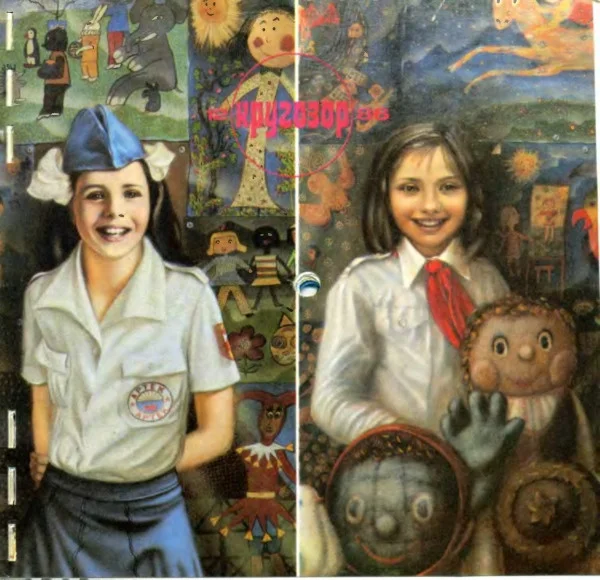
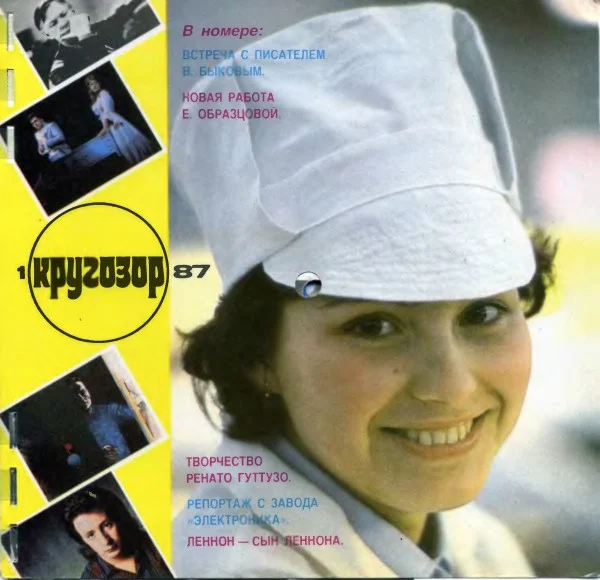
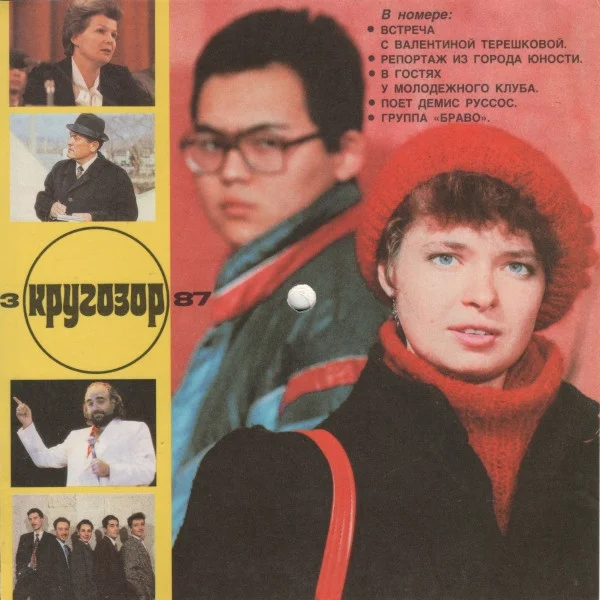
The articles in 80s are written in a language that seems to have frozen in time and remained unchanged since the 1950s. Stories, design, layout, photos, and even fonts were changed to be unremarkable and boring. Krugozor had lost its edge, but it was clearly stuck in the Brezhnev era, a time of stagnation.
According to Alexei Yurchak this was linked to a general trend toward making things more formal and constantly citing earlier texts and unchanging “correct” formulations. People now weren’t as convinced by the Soviet state, and they started using clichés and complex language to excuse themselves. A lot of topics for the newsappers were approved and confirmed ahead of time, and some of the titles weren’t even related to the articles’ content.
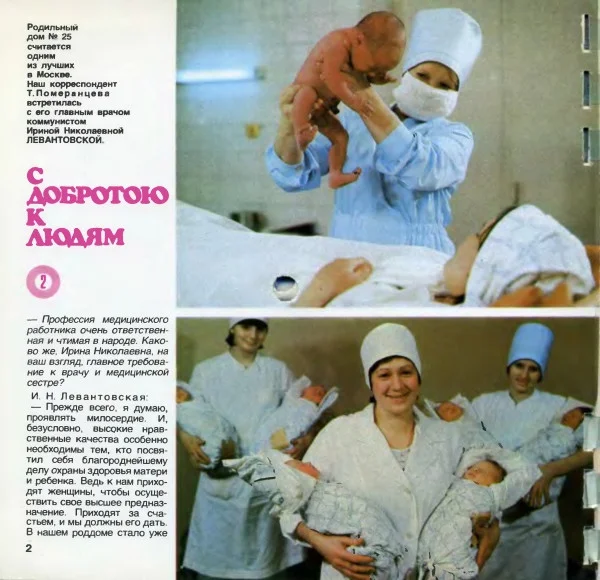
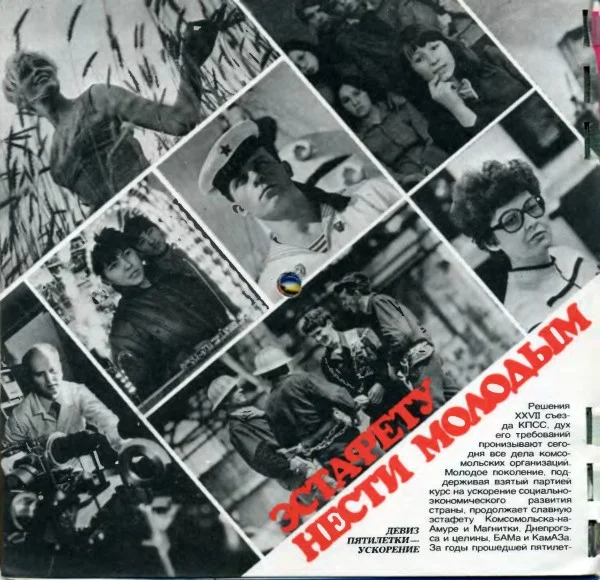
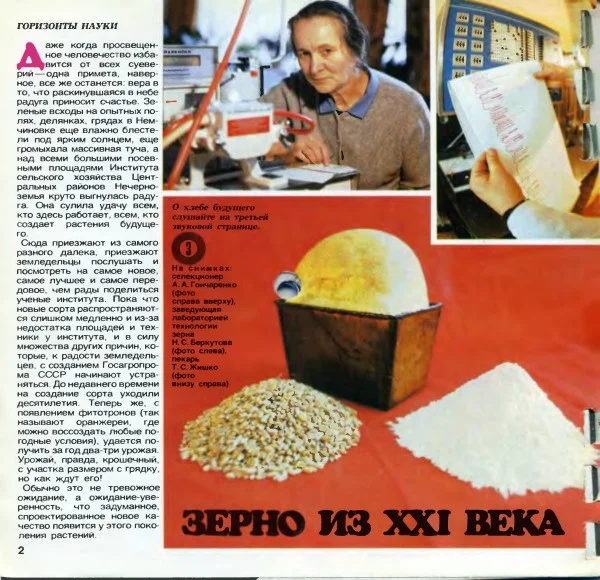
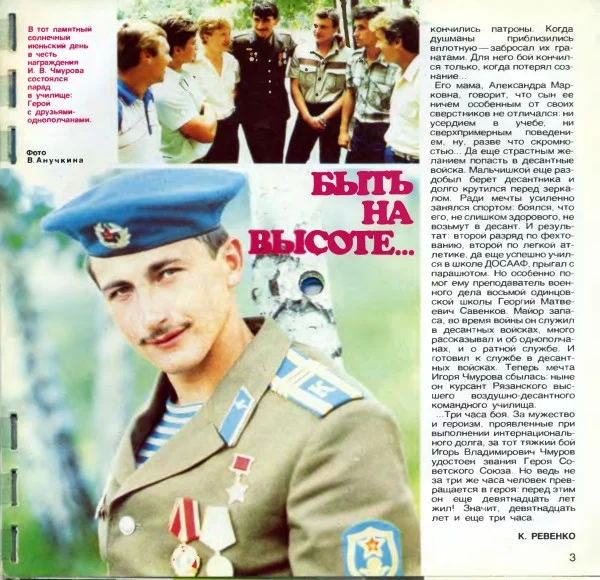
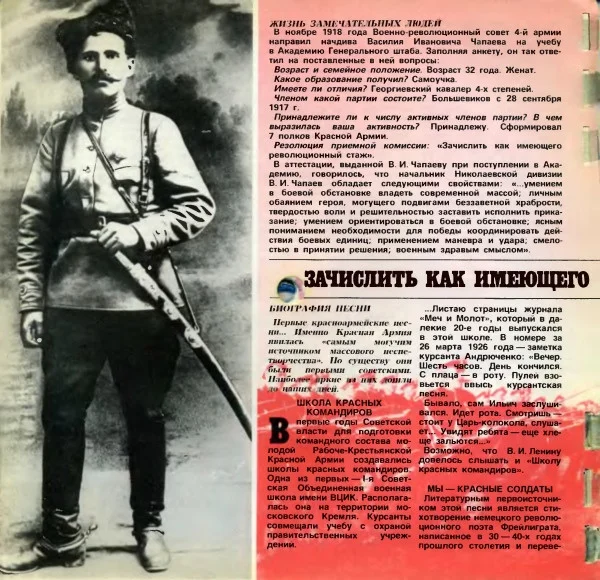
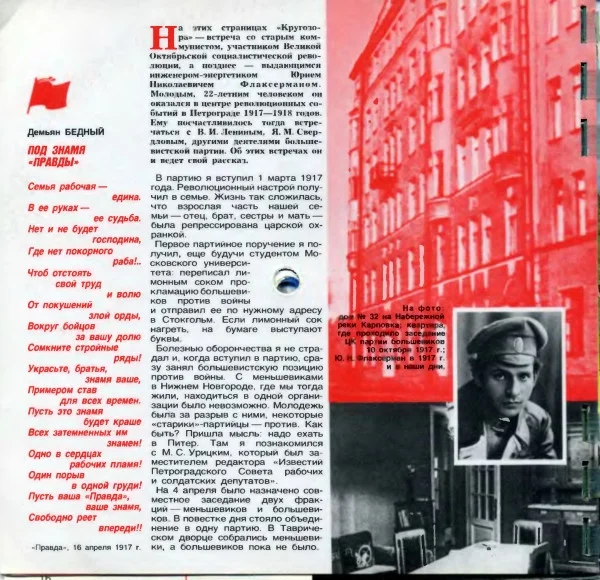
Even so, the issues from the first five to ten years are still important. They show the sincere effort during the thaw period to create something new in the USSR. This was done using great art and design from the 1920s to the 1960s. What makes Krugozor interesting even today is that it regularly includes Western pop and rock music. It includes music without permission, with funny translations of song titles, and often shortened versions. Some of the songs became a soviets memes, such as distorted homophone translation of Smokie’s What Can I Do (read about english songs mondegreens in the USSR).
Krugozor was more than just a cultural event. It was a rare way for Soviet audiences to hear some Western music. This included The Beatles (both as a band and sol), ELO, Pink Floyd, The Rolling Stones, Kate Bush, Elton John, ABBA, Depeche Mode, Yoko Ono, even Yellow Magic Orchestra and many others—media otherwise difficult to obtain (there is no Internet yet!). It became a cultural phenomenon, especially for youth, sometimes selling out instantly.
Last years: 1988–1992
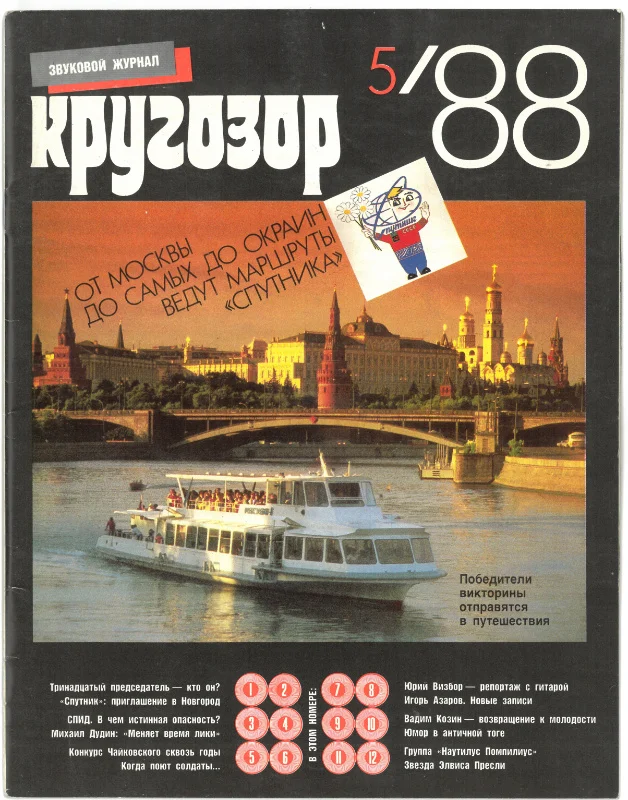
In 1988, the magazine changed its format. It went from a square layout to a format closer to A4. This change also meant that the flexi-discs were included differently. The first issue had records placed within an envelope, which was hard and slow work. Later issues had the discs in different ways—two discs attached on a folded vinyl sheet and held together with a staple next to the paper pages.
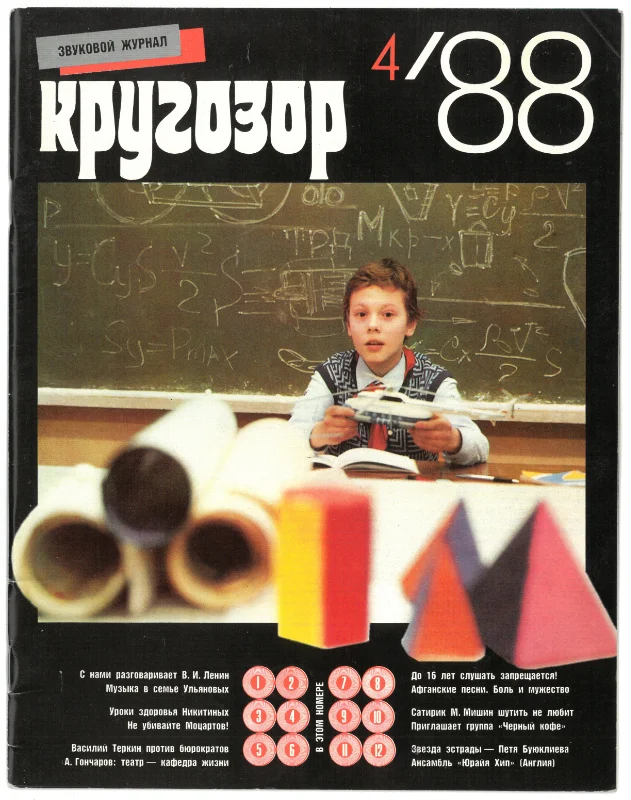
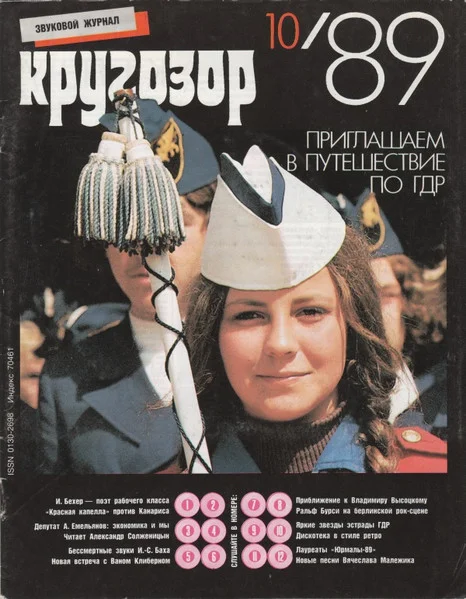
At its height, Krugozor was very popular. The number of copies of the paper grew from about 450,000 in 1973 to 500,000 by the early 1980s. But by spring of 1991, it had dropped to just 60,000.
By 1991, the publication had started to replace some of the flexible discs in its circulation with audio cassettes, although some copies still contained flexi-discs. That year, the number of copies of the magazine that were sold dropped a lot. In the past, half a million copies of the magazine were sold. But in the spring of 1991, only about 60,000 copies were sold.
By the middle of 1992, the magazine was only printing 15,000 copies. It was having a lot of money problems.
1992–2022
After Krugozor closed, its sound archives were saved by researcher Anatoly Azarov. These archives contained the original master tapes used to produce the flexi-discs. They stayed with him until he died in 2016. Then, the collection was given to the Russian State Archive of Phonodocuments.
Since the early 2000s, there have been efforts to collect money and digitize Krugozor. Between 2009 and 2017, a group of vinyl fans put these audio files online in the “Krugozor‑Kolobok” archive. They had a hard time finding the money to digitize the issues, but they received donations of money and equipment from all over the world.
Anatoly Azarov recounts:
“When my friend and I entered the editorial office, it was already half-destroyed. At the house on Sivtsev Vrazhek, where Krugozor was located, new owners appeared. They were threatening to throw everything away. At the time, the state sound archive refused to take the Krugozor archive.
What could we do? For three days, we looked for empty boxes in neighboring courtyards. Then, we packed the reels with film into the boxes. We took away two full UAZ vans. The archive is now stored under the right conditions, but the tapes are old and need to be digitized. That’s how the idea for the Krugozor website was born. The website was created to bring together people who loved this magazine and wanted to keep it going. There is a lot of work to be done. Experts say that sorting and digitizing the archive—the text, sound, and images—will take about two years. At this point, I have only two assistants. We really need help; there aren’t any benefactors yet. It’s important to have money, but you also need to be actively involved.
2024: Modern times
It’s interesting that a magazine that no one remembered and didn’t need for the last 30 years was suddenly remembered in the middle of the current wave of nostalgia for the USSR and Soviet-style censorship in Russia since 2022. In 2024, the online magazine V–A–C Sreda recreated Krugozor as a one-issue remake. The result was a special edition titled “V–A–C Sreda 2: Krugozor.”
The magazine kept the original square format, through-hole (for a spindle), and flexible discs. But making them was really hard. The manufacturers had to be in the Czech Republic, and shipping them was hard because of war sanctions. Only 300 copies were printed.
“Just when everything seemed assembled—texts finalized, layouts set—the key question surfaced: how to produce the flexi-discs? It turned out that manufacturing in Russia had ceased back in 1992, and the technology was virtually lost. Workarounds had to be found—through YouTube, Avito, and unexpected contacts across the globe. Once the search began, it emerged that only two places in the world still pressed flexible discs.
The first was a craftsman in Crimea. He works alone and cuts vinyl individually in his spare time. When informed that 900 copies were needed, he immediately declined: ‘That’s three years of cutting! Are you insane?’ The second was even more surprising—Los Angeles. There operates a company with the telling name ‘Pirates.’
The communication felt surreal: on one side, a chat with the Crimean craftsman; on the other, correspondence with the American “Pirates.” It soon became clear that the “Pirates” didn’t make the discs themselves. Their pressing machine was in the Czech Republic, and their supply chain went through several other countries: Los Angeles sent the orders to the Czech Republic, and from there, the discs were shipped to Russia through the Baltic states and Belarus.”— Daniil Beltsov
Interesting notes on flexi discs
- Discs were only available in Krugozor, its branch Kolobok for children, and “The Club and Amateur Performances,” KHS.
- However, in the USSR, flexi records were also sold separately (like singles were in the West). They were both made at the same factory in Moscow.
- Evatone Company made the same format around the world until the year 2000.
- Some record labels, like Joyful Noise Recordings, still make them today.
This article is also available at archive.org at the CC Attribution 4.0 International license and on Zenodo: https://zenodo.org/records/17164284
Leave a Reply
You must be logged in to post a comment.