
The magazine was first called Red Youth and was founded in 1924. It would later become Student Meridian. It was with several generations of Soviet students through the changing tides of politics and culture.
The title changed several times over the years. It went through different periods of time and was called different things. It was Red Students from 1925 to 1935. Then it was Soviet Students from 1936 to 1967. Finally, in 1967, it was changed to Student Meridian.
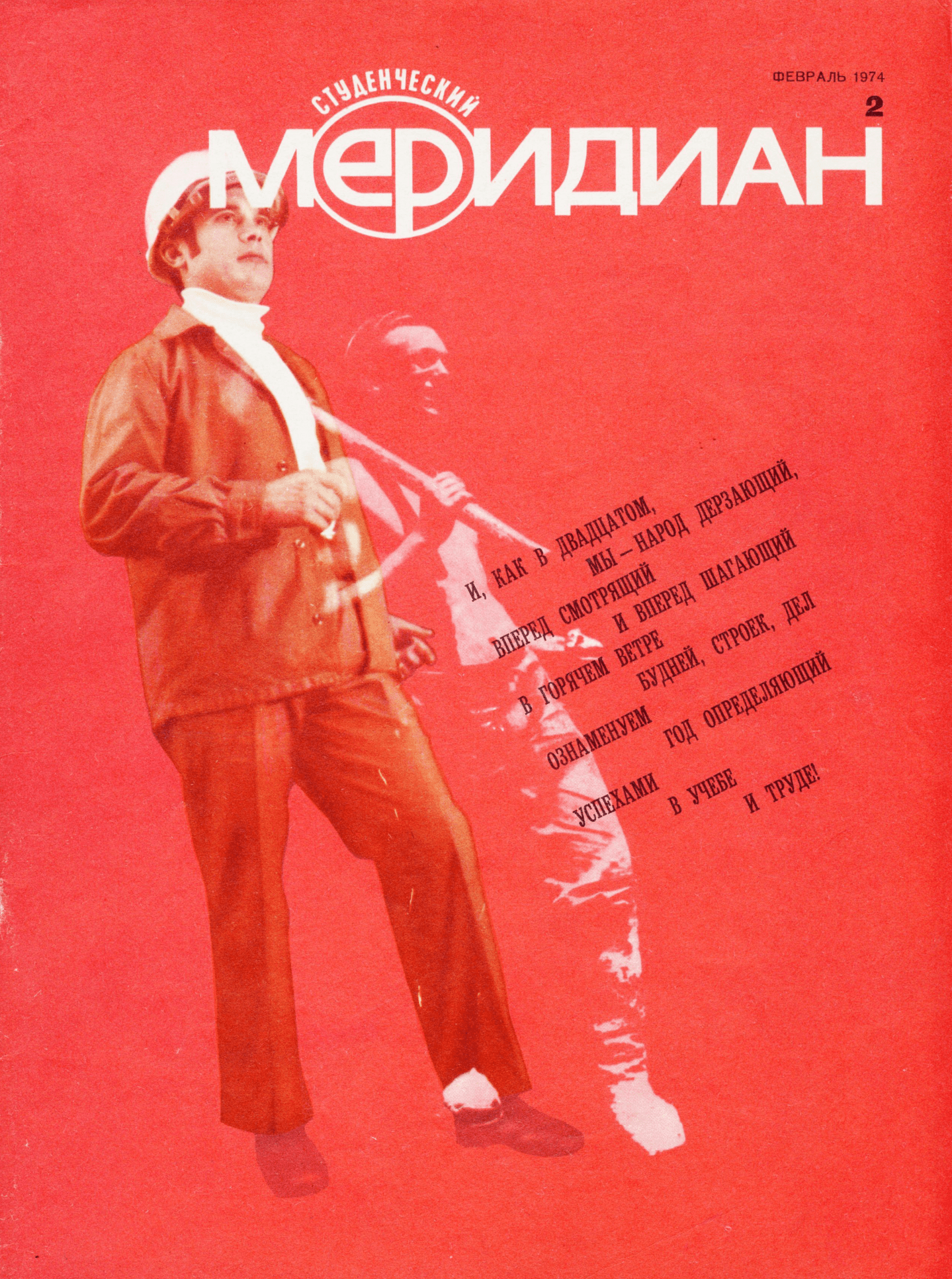
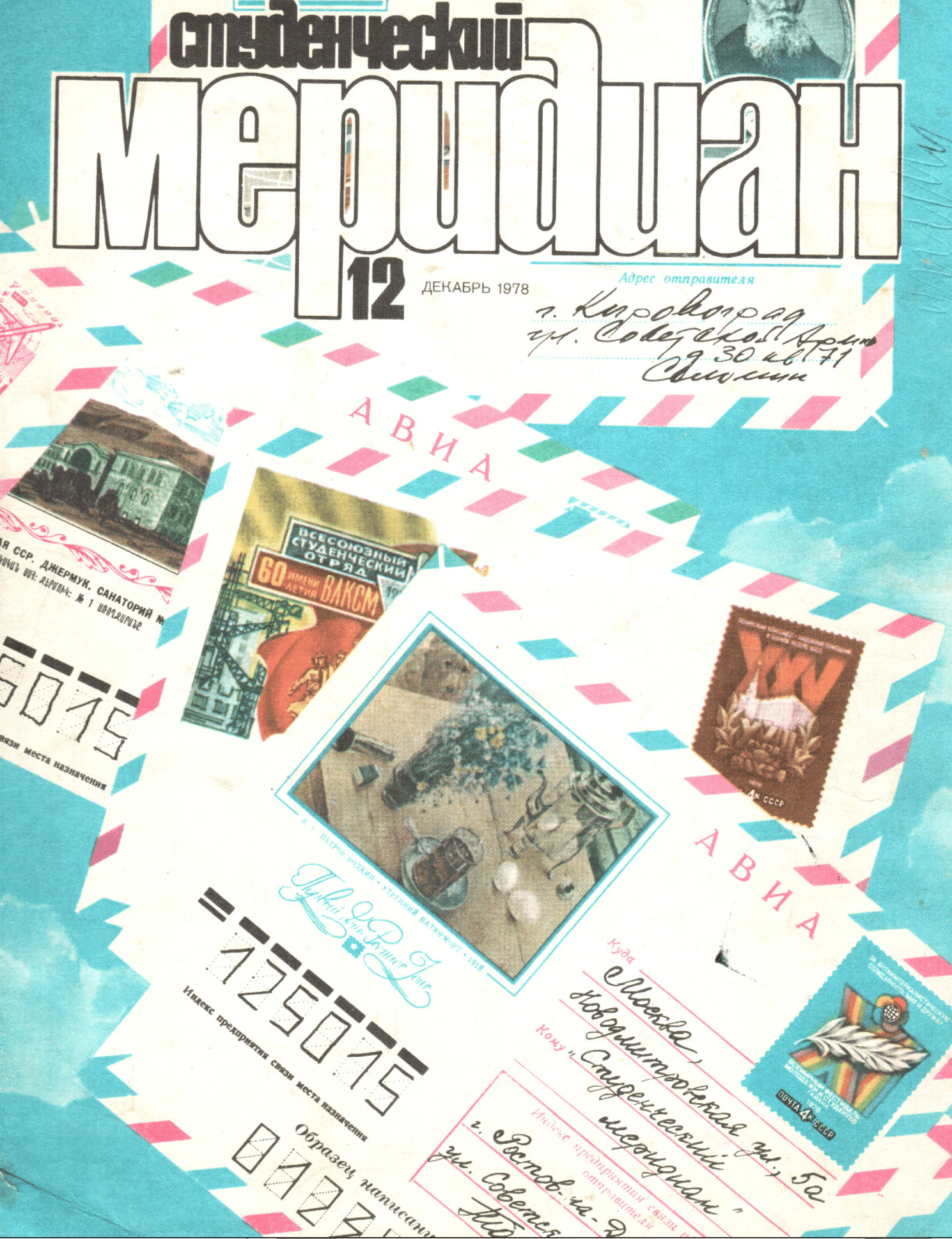
1970s
From 1967 to 1973, the magazine was published once a year as an almanac. But starting in 1974, it became a monthly magazine. By the late 2000s, it was being printed much less often than in its Soviet heyday. In 2009, it printed around 12,000 copies. Yuri Rostovtsev was the editor-in-chief. He had been in that position since 1988. Irina Repina was the general director.

The editorial board also supported cultural and historical projects. One of these projects was the “Encyclopedia of Russian Villages.” This project was started by agronomist Alexander Nikonov and poet Grigory Kalyuzhny. The project eventually produced dozens of volumes. These volumes documented rural life across Russia.
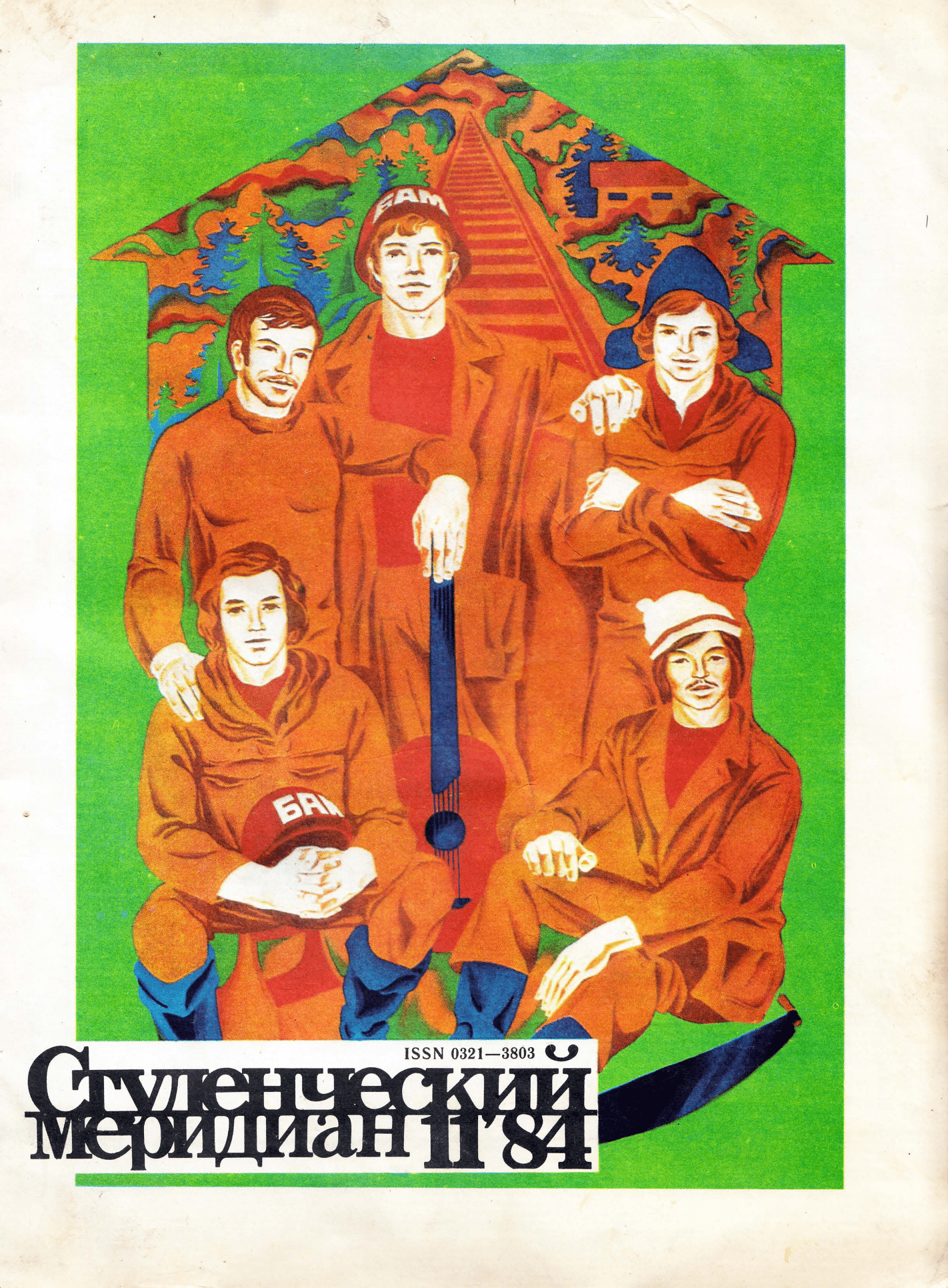
1980s
By the 1980s, the magazine was known for being both serious and playful. Its collection of editorials holds a certificate confirming a record-breaking “collection of 36,000 kisses” sent in by readers.
1990s changes
Unlike Krugozor, which stuck to its radio-journalistic roots, Student Meridian was more flexible in adapting to cultural change. During the 1980s and 1990s, it tried to stay interesting and fun for young readers.
As early as the early 1980s, it was publishing articles about rock music along with rare color pictures of The Beatles. In 1980, the magazine did something that was really unexpected. They published an interview with Eric Clapton that had been translated. If you think about it, it’s hard to imagine that happening just a few years earlier.
By the mid-1990s, with new freedoms emerging in post-Soviet Russia, the magazine started to cover more provocative subjects, including the history of pornography and daring photo spreads that blended youth fashion journalism, tabloid press, and adult curiosity.
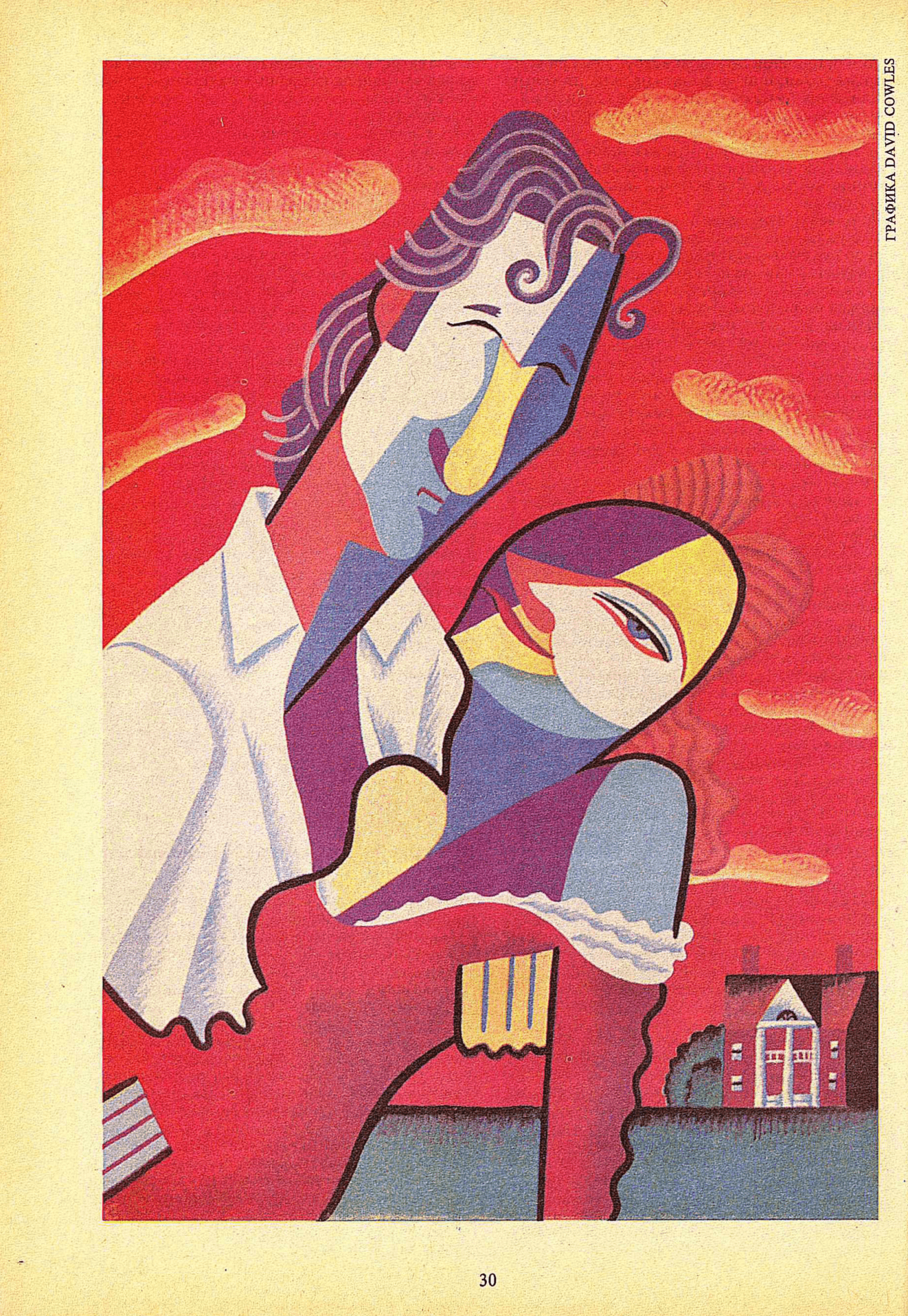
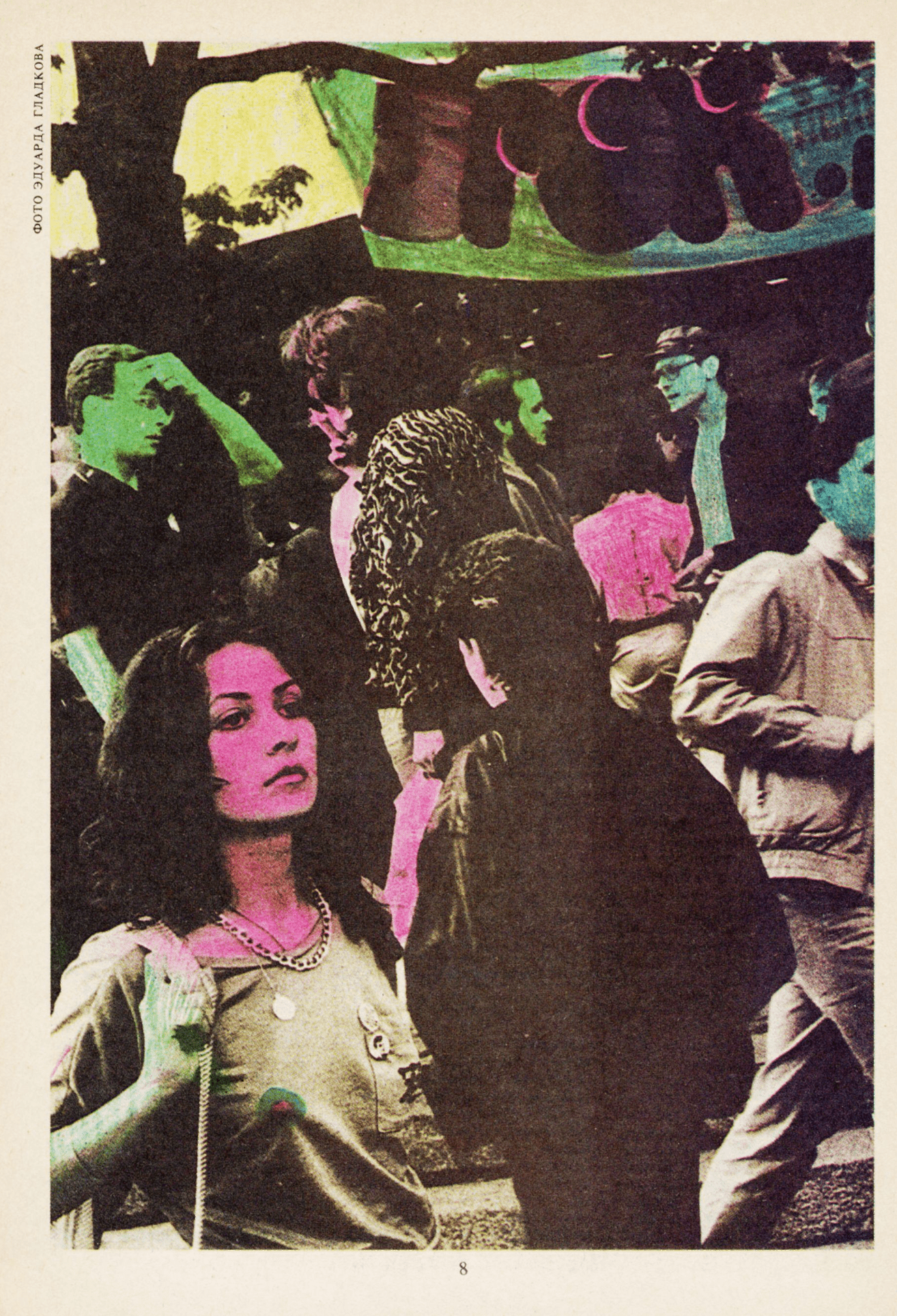
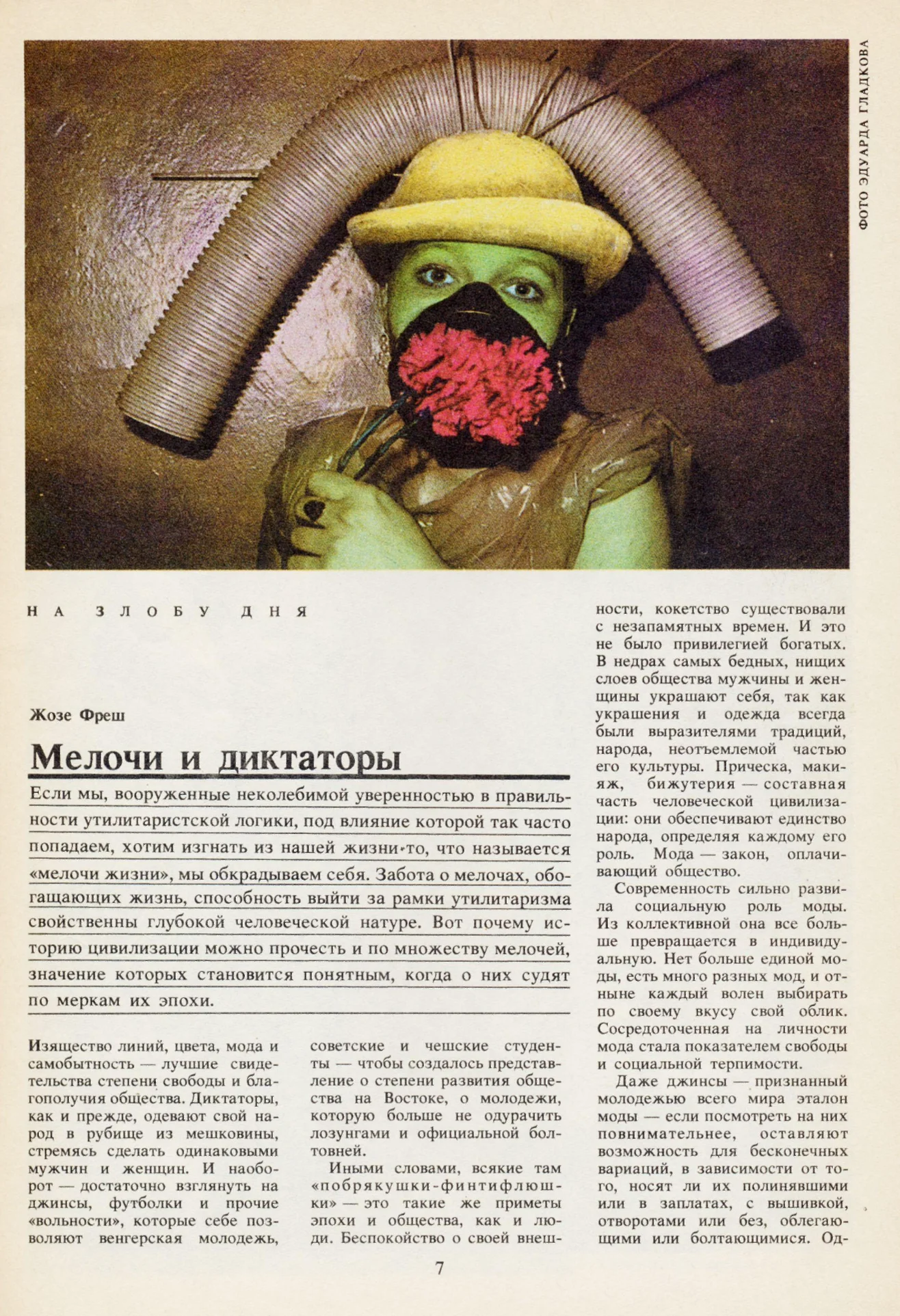
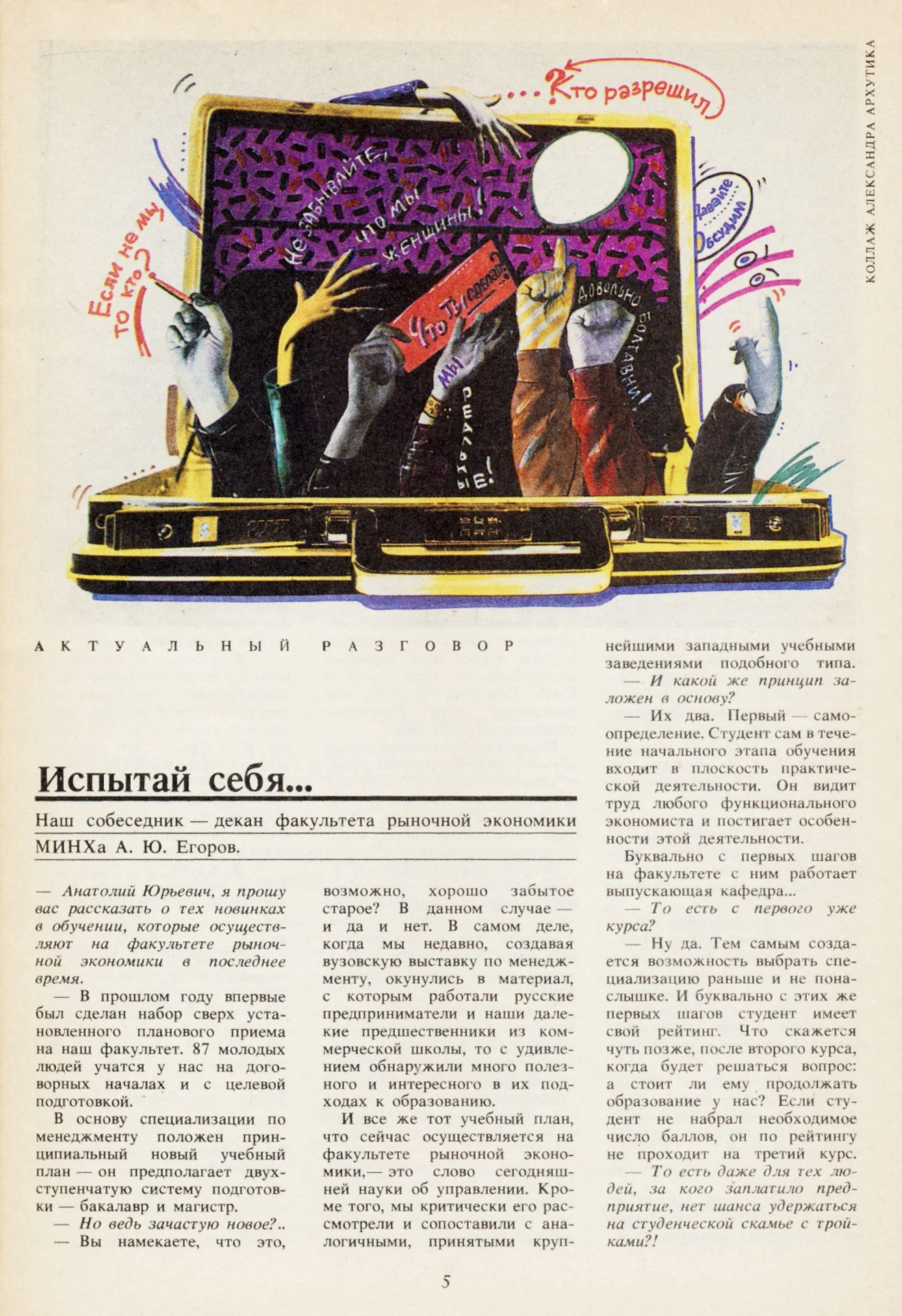
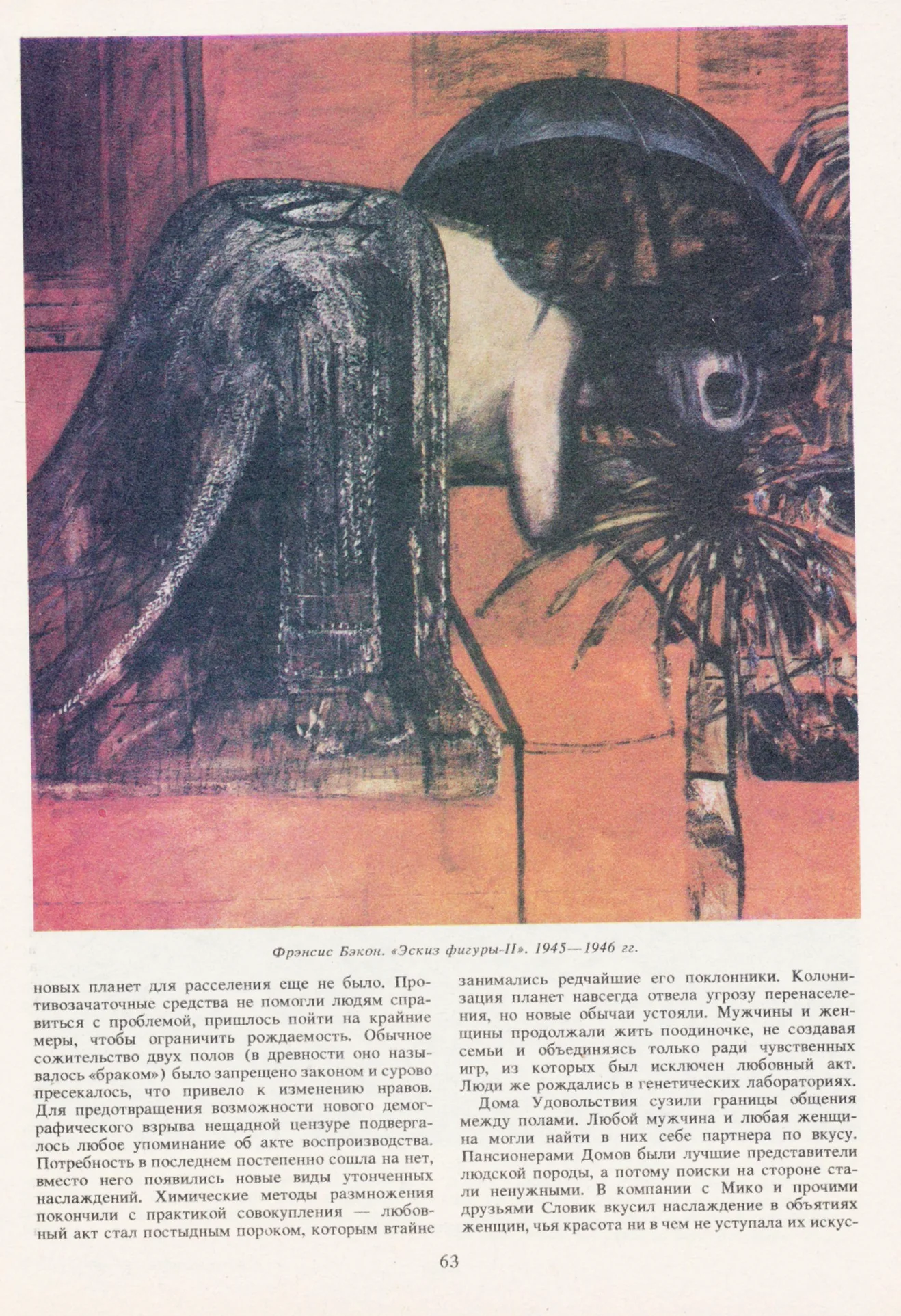
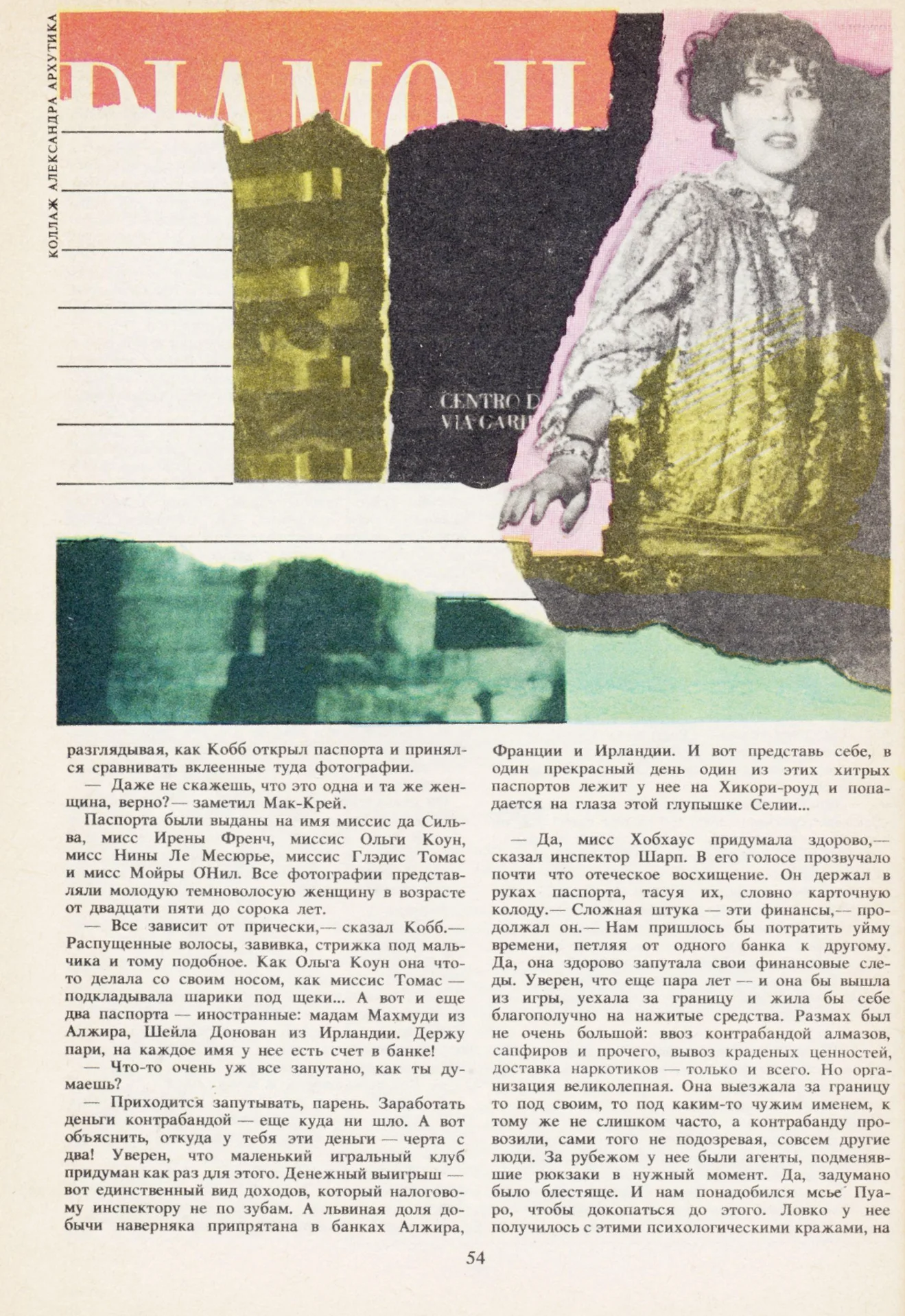
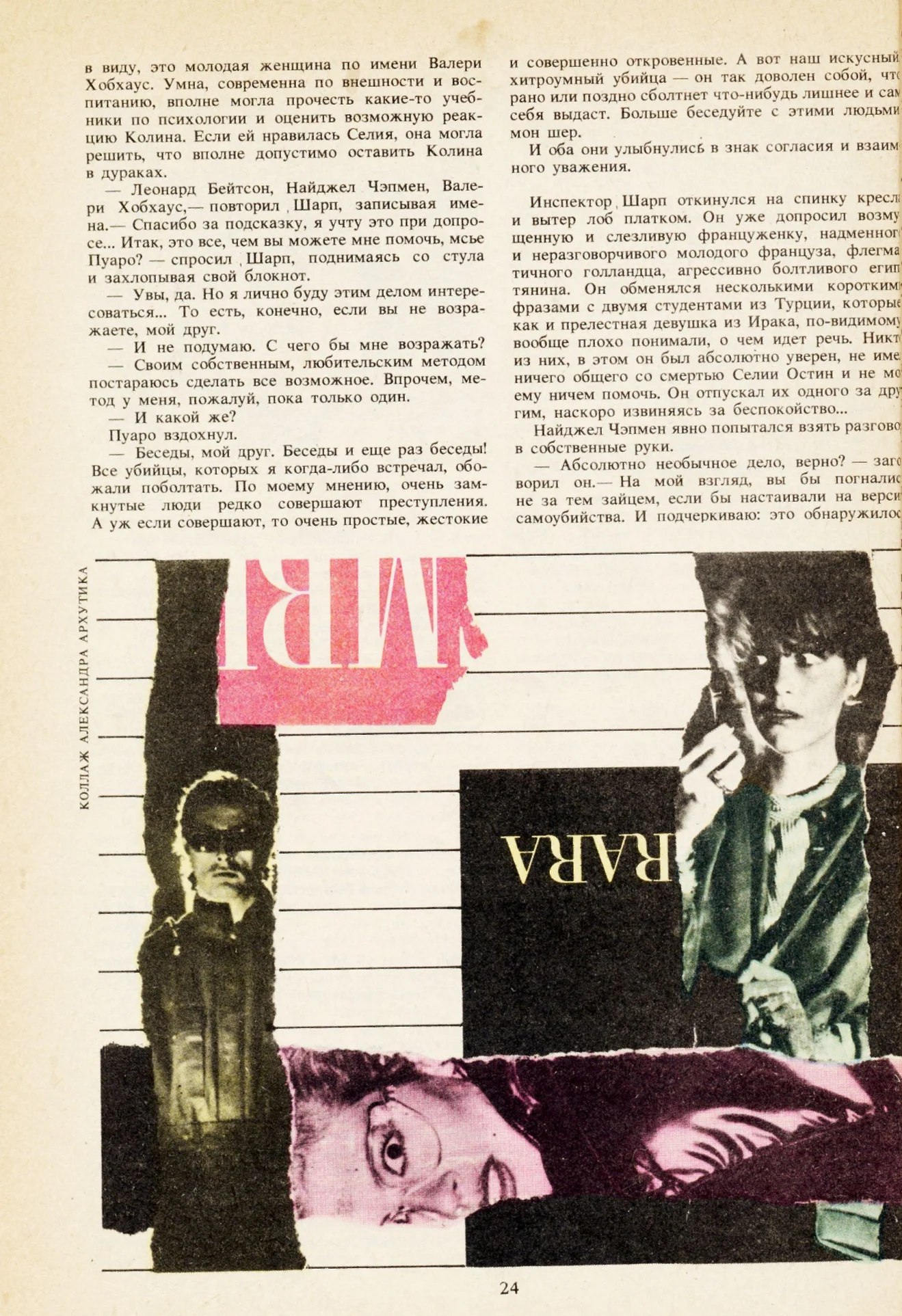
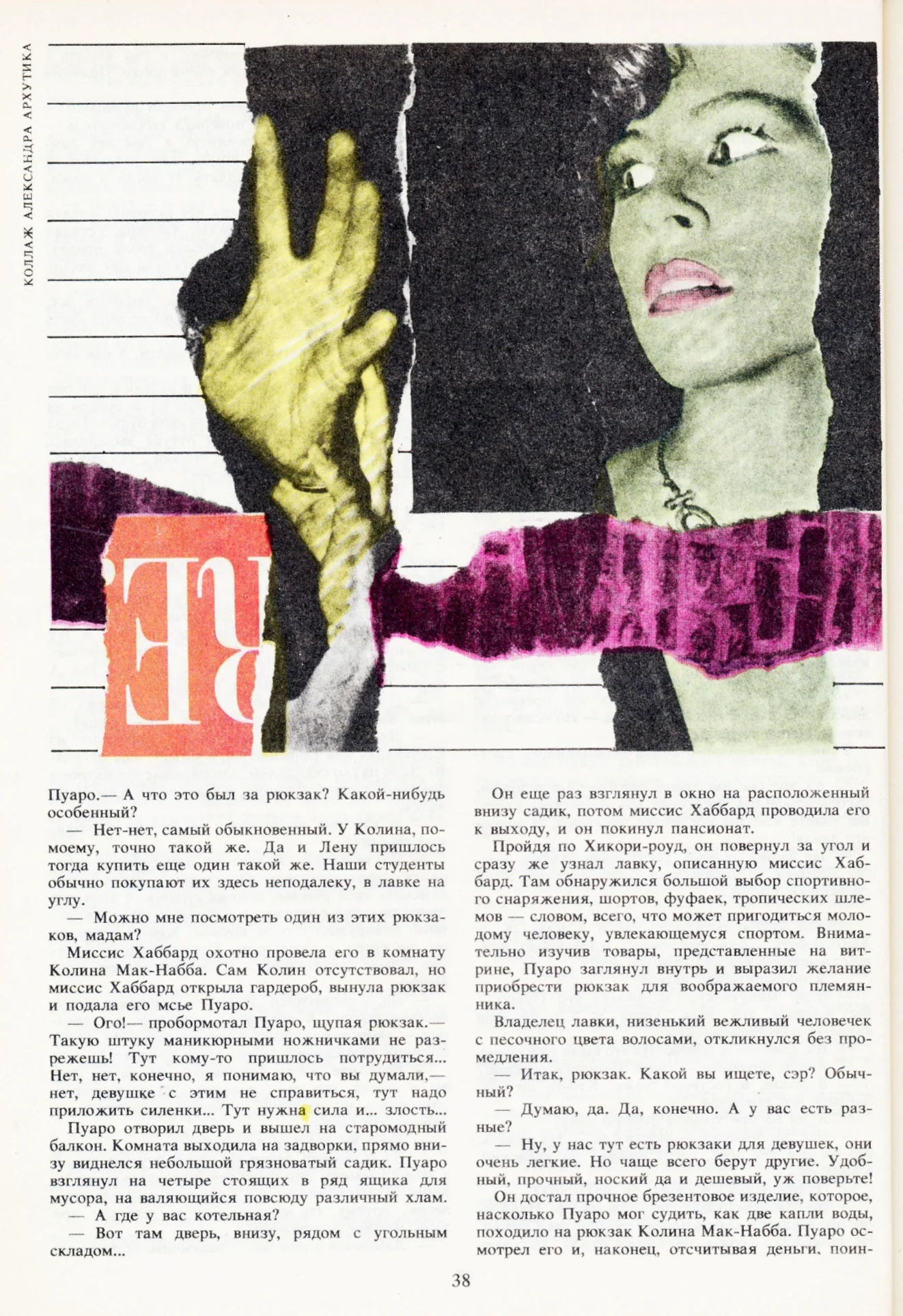
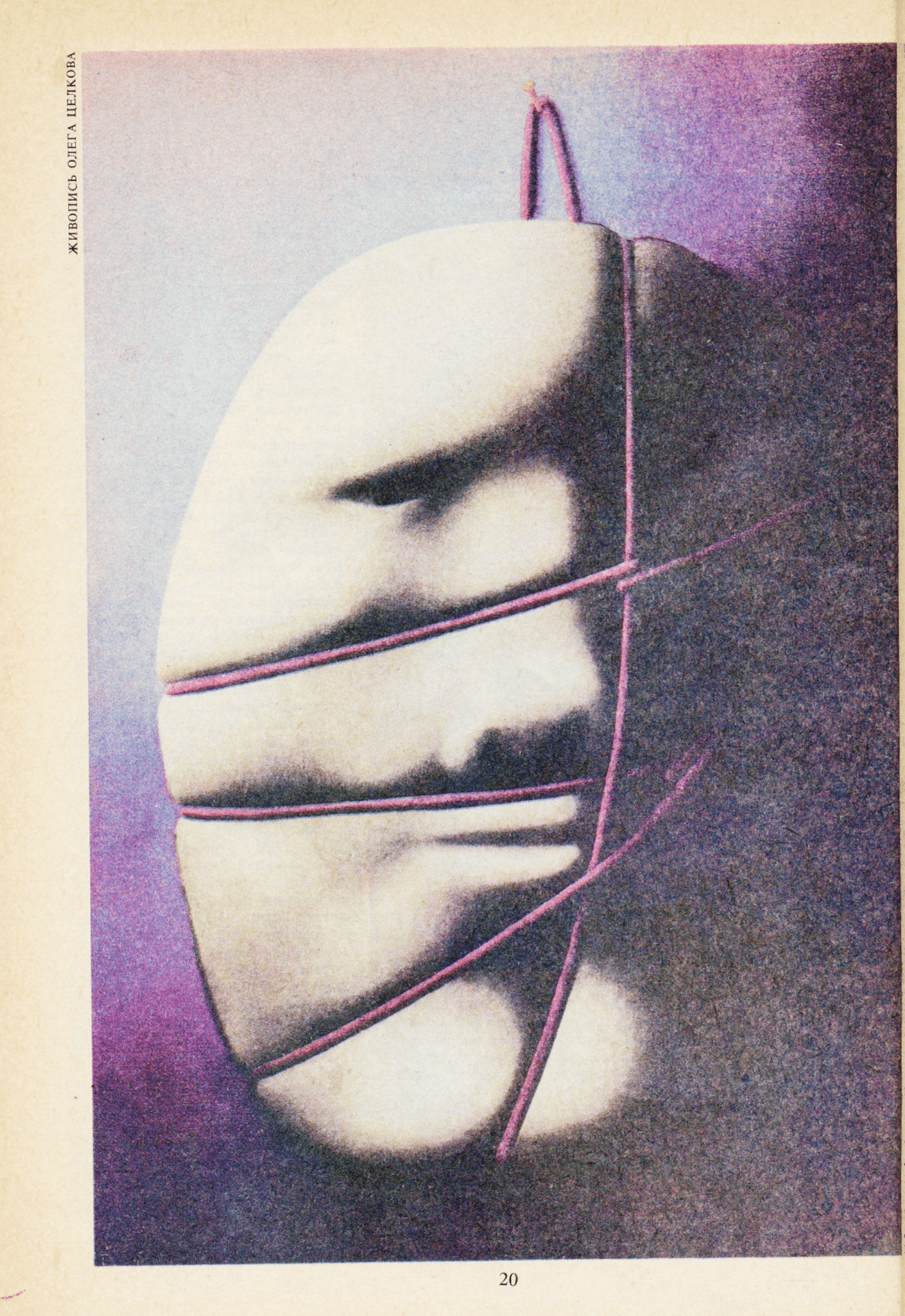
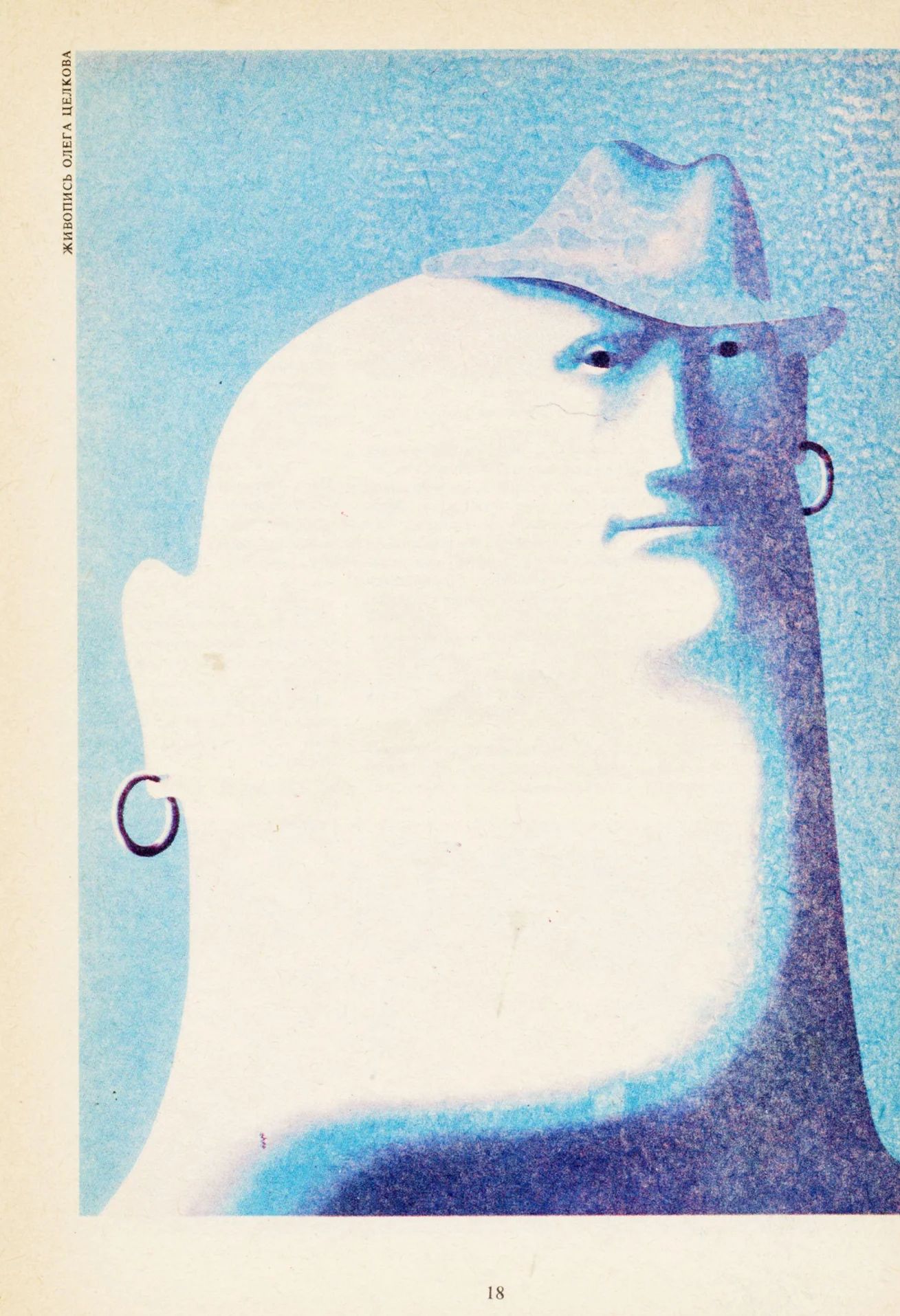
Student Meridian had also started to stand out visually. Surreal, dreamlike illustrations became more common, giving the magazine a modern edge.
Most Soviet youth magazines were text-heavy and conservative, but Student Meridian stood out with its bold, colorful reproductions of contemporary art. This visual experiment made the magazine feel fresh and modern, especially since it’s usually thought of as more literary and intellectual.
The 1991 Beatles Issue
Music and pop culture also found their way into the magazine. One of the most memorable moments in the magazine’s history came in July–August 1991, when it released a 100-page issue entirely dedicated to The Beatles.
By the time The Beatles were widely known in the USSR. For example, a lot of Beatles mondegreens were circulated in Soviet Union. The editors seemed determined to retell the band’s entire story, intertwining it with Alan Aldridge’s The Beatles Illustrated Lyrics. Earlier Soviet publications sometimes included parts of Hunter Davies’s official biography, but Student Meridian took it even further. For many Soviet readers, this was their first time really seeing photographs, stories, and details that had been carefully hidden from them during the years of censorship.
A picture from the cover of the magazine’s Beatles issue later appeared on the cover of a Soviet/Russian bootleg release called Rare Beatles: The Beatles on Air (1993).
Journalist Sergei Gribushin said that these releases often came in two forms. One form had standard publishing details and was sent to subscribers. The other form was a separate reprint available for individual advance orders.
Download PDF:
Even though it closed in 2013, Student Meridian is an important moment in the history of Soviet and Russian media. This magazine wasn’t just about music. It was also an important cultural space where literature, youth life, philosophy, and even rock fandom were mixed with USSR life.
Leave a Reply
You must be logged in to post a comment.